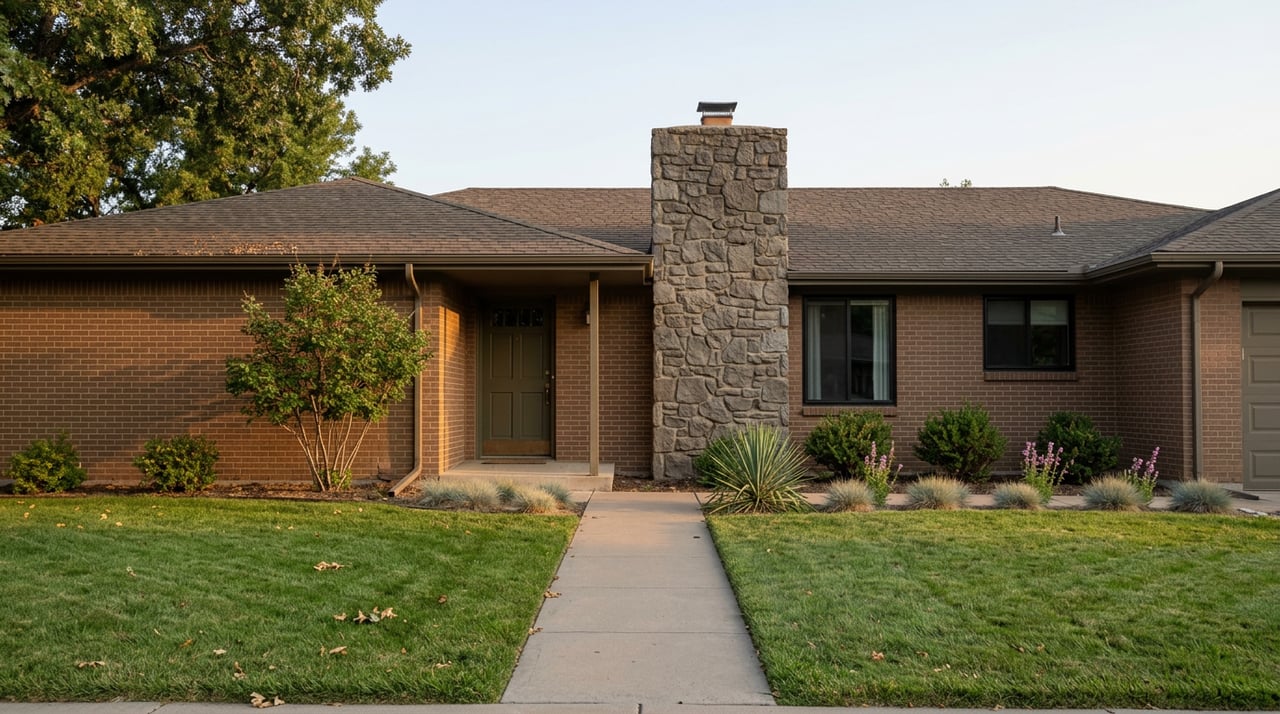
Two buyers each set a budget of $580,000 and start looking in Lakewood. One ends up touring a two-bedroom loft near the light rail in 40 West Arts District, where listings have run closer to $280,000 this year. The other gets outbid twice on a brick ranch in Applewood Knolls, where the median has been sitting near $975,000. Same city, same budget, same number they both pulled off the same market report. Neither buyer is wrong about the math. The number they were quoting was never describing one market to begin with.
Lakewood's citywide median sale price came in at $579,950 in March 2026, according to Redfin, with homes averaging 18 days on market and selling at 99.4% of list price. That's a useful headline if you're comparing Lakewood to Wheat Ridge or Golden. It's close to useless if you're trying to figure out what your own search should look like, because that median is an average of at least six structurally different housing stocks that rarely compete with each other for the same buyer.
Several markets wearing one median
Neighborhood-level listing data compiled in spring 2026 shows just how wide the internal spread runs:
| Area | Approximate median list price |
|---|---|
| 40 West Arts District | ~$280,000 |
| Snowbird | ~$279,900 |
| Lakewood Estates | ~$306,500 |
| South Lakewood | ~$485,000 |
| Central Lakewood | ~$530,000 |
| North Lakewood | ~$625,000 |
| West Lakewood | ~$634,950 |
| Green Mountain Village | ~$675,000 |
| Applewood Knolls | ~$975,000 |
That's a spread of roughly 3.5x between the low pockets and Applewood Knolls, all inside one city limit. A single citywide median can only ever land somewhere in the middle of that range. It won't describe the arts-district condo or the Applewood ranch. It describes a statistical midpoint that almost no actual seller is listing and almost no actual buyer is writing an offer on.
Why the spread runs this wide
The gap isn't random. It tracks three things that don't show up in a headline median but show up the moment you tour a house.
Construction era and lot size. Much of Applewood Knolls was built between 1959 and 1974, brick ranches and tri-levels sitting on lots that commonly run a fifth of an acre to a half acre, shaded by trees that are now sixty years old. That combination, larger lot plus mature landscaping plus a housing style that's become scarce closer in, is what a lot of the premium is buying. Green Mountain Village and the newer cul-de-sacs in Allison Glenn sit a step down in price partly because the lots run smaller and the construction is more recent, which cuts maintenance costs but also cuts the acreage.
Density and unit type. The lowest price points in Lakewood cluster where the housing stock shifts to condos and townhomes near transit. 40 West Arts District sits along West Colfax as a certified Colorado Creative District, walkable to First Friday gallery walks and murals, but the units themselves are smaller and attached, which caps what they can sell for regardless of how much cultural energy the corridor has. Belmar tells a similar story from the other direction. The roughly $750 million redevelopment of the old Villa Italia Mall packed about 80 shops and 20 restaurants around roughly 1,200 lofts, condos, and townhomes, home to about 3,500 residents. It's Lakewood's most walkable pocket and one of its liveliest, but the unit mix keeps median prices there closer to the middle of the range than the top.
What the market is actually pricing. A ranch on a half-acre lot and a condo above a coffee shop aren't substitutes for each other. They don't pull from the same buyer pool, they don't compete for the same offers, and averaging their sale prices together produces a number that's true in aggregate and misleading at the individual level.
The market runs two temperatures too
The price spread isn't the only thing hiding inside the citywide numbers. Lakewood's condo and townhome inventory makes up a meaningful share of total sales, and attached and detached homes have been behaving differently as buyers. Across the Denver Metro area, DMAR's data through mid-2026 has shown detached homes holding up noticeably better than attached ones, with July 2026 figures showing attached homes taking a median of around 40 days to sell against roughly 21 days for the overall market. Luxury condo sales even jumped sharply year over year in July while overall closings fell, a split that shows buyers were not treating every property type the same way that month.
Lakewood mirrors that pattern at a smaller scale. In the March 2026 window, 39.7% of active Lakewood listings had taken at least one price drop, while homes that were priced correctly from the start were still going under contract in about 18 days with close to two competing offers. Those two facts describe two different experiences of the same market. A well-priced detached home in a tight submarket can still move fast. A dated condo competing against several similar units nearby is more likely to sit and get chased down in price. The citywide days-on-market number is an average of both experiences, which means it undersells how fast the good listings move and oversells how fast the rest do.
What this means depending on where you're shopping
If you're comparing Lakewood to a neighboring suburb using the citywide median, you're using it correctly. If you're trying to figure out your own odds inside Lakewood, the citywide number should be a starting point you set aside almost immediately in favor of the specific pocket you're actually looking at.
A buyer targeting a detached home in North or West Lakewood should expect the competitive dynamics closer to that 18-day, near-full-price pattern, especially if the home is priced in line with recent closings on the same street. A buyer looking at an attached property, particularly in a building or complex with several similar units listed at once, should expect more room to negotiate and more patience required, since that's where the bulk of this year's price drops have concentrated. A seller in Applewood Knolls or Green Mountain Village is pricing into a pool of buyers who are comparing single-family inventory citywide, not just within the neighborhood, which changes how aggressively that listing should be positioned relative to comparable homes in North Lakewood or West Lakewood.
None of this shows up if the only number you're carrying into the search is the citywide median. It shows up when the search narrows to the actual submarket and the actual property type.
The details that surface after you're under contract
The differences between Lakewood's pockets don't stop at price. They show up again once you're comparing specific properties, often in ways that only become clear during due diligence. Governing documents vary block by block even within neighborhoods that look similar from the street. Some streets in Applewood Knolls carry restrictions on fence height for corner lots that neighboring streets don't. Bear Creek Village, built around shared greenbelt access, manages landscaping and irrigation as part of its HOA structure in a way that newer, non-HOA pockets of Applewood simply don't have to think about. None of this is disclosed on a listing sheet in a way that lets you compare across neighborhoods at a glance. It's the kind of thing that surfaces in the HOA documents once an offer is already in, which is exactly why it's worth understanding the neighborhood's general pattern before you're three weeks into a contract.
Frequently Asked Questions
Is the citywide Lakewood median a bad number to use at all? No, it's useful for comparing Lakewood to other cities in the metro. It's just too broad to guide a specific search inside Lakewood itself.
Why does Applewood Knolls carry such a premium over neighborhoods just a few miles away? The combination of larger, mature lots, an established mid-century housing stock, and sustained demand for that combination has kept prices there well above the citywide median for years, not just in this year's data.
Should I expect a condo near Belmar or 40 West Arts District to move as fast as a detached home? Not necessarily. Attached properties across the Denver Metro area have been taking longer to sell and seeing more price adjustments than detached homes through 2026, and Lakewood's attached inventory has followed that same pattern.
If you're trying to figure out which Lakewood pocket actually fits your budget, and what that budget is likely to face once you're competing for a specific home, Realty Professionals can walk through the current comps for your target neighborhood. Schedule a consultation and we'll help you read the market you're actually shopping in, not the one the headline number describes.
This article is general information, not legal, tax or financial advice. Consult a qualified professional about your situation.