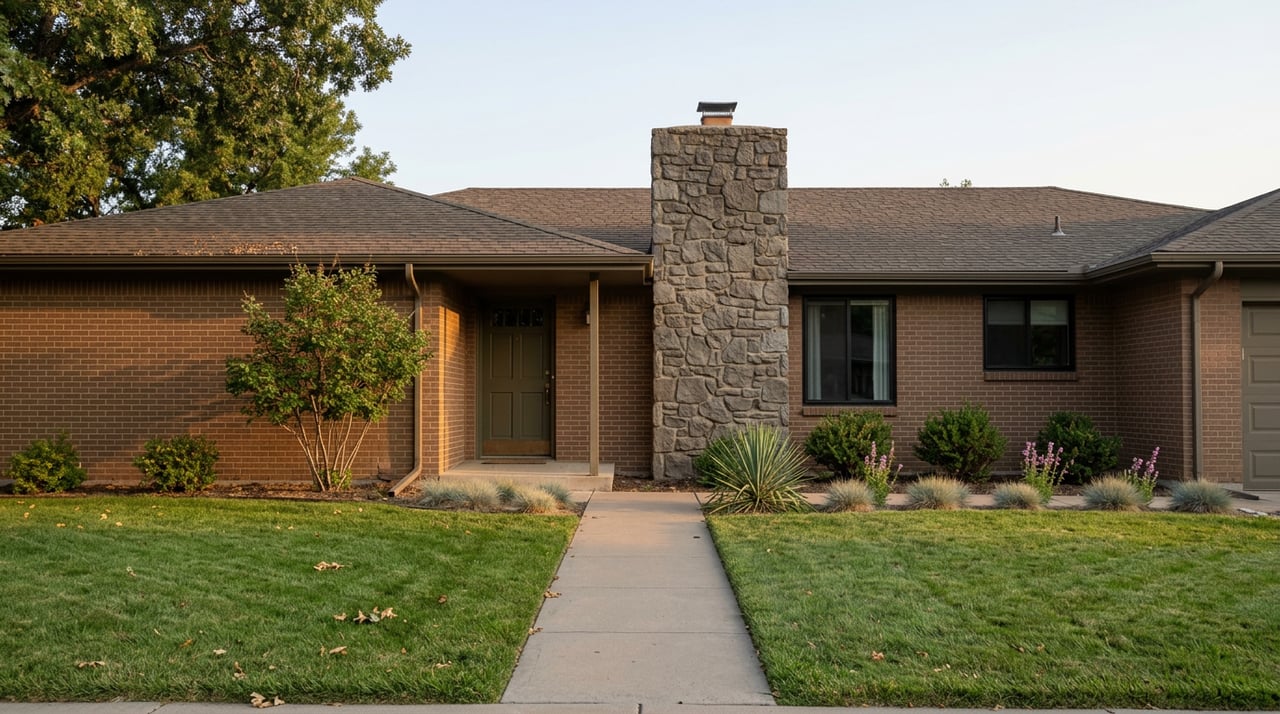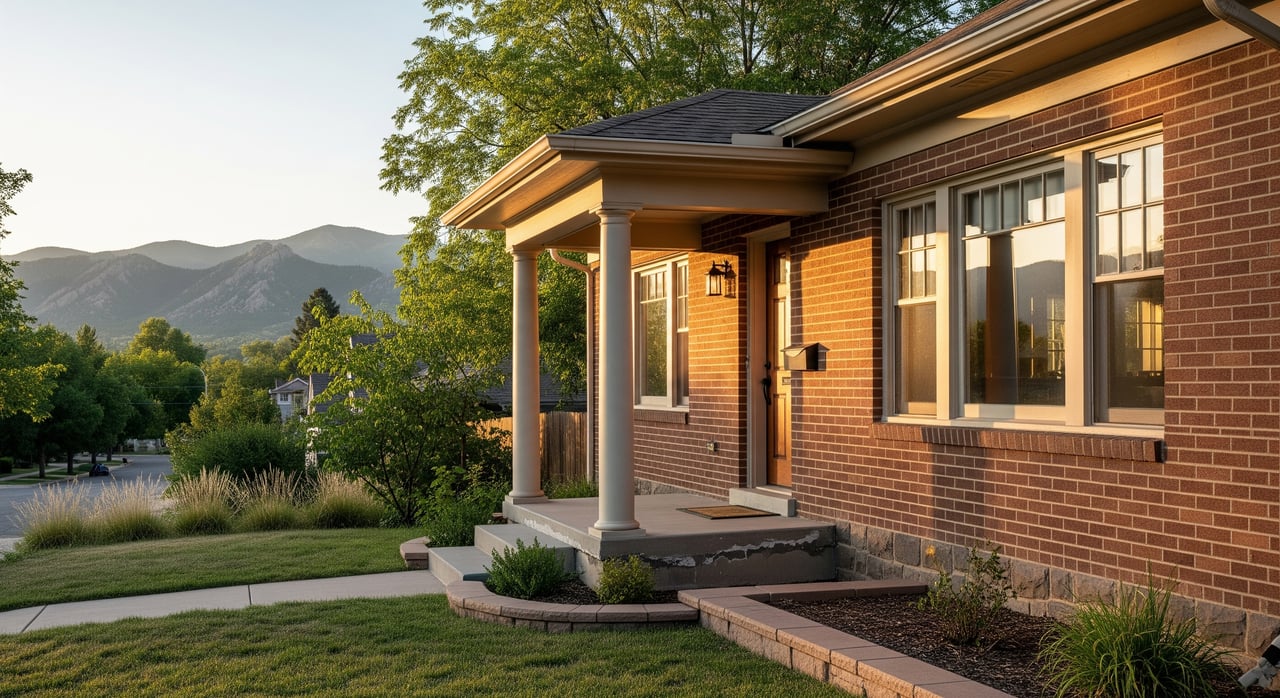
Thinking about selling your Wheat Ridge home as-is? You are not alone. Older Front Range homes often need updates, and you may prefer speed and certainty over a long punch list. The good news is you can sell as-is in Colorado while staying compliant and protecting your bottom line. In this guide, you will learn what “as-is” really means under Colorado practice, what you must still disclose, how buyer inspections work, common Wheat Ridge condition issues, and a practical plan to decide whether to fix or list now. Let’s dive in.
What as-is means in Colorado
“As-is” in Colorado usually means you are not agreeing to make repairs as a condition of closing. Buyers can still inspect and may ask for concessions, but you are signaling you do not plan to fix items discovered during inspection. It does not allow you to conceal defects or avoid required disclosures.
In practice, an as-is sale can reduce back-and-forth after inspection. Buyers often respond by requesting a price reduction or credit, or by terminating within their contingency period. The contract language used in your deal controls the details, so make sure you understand what is checked and what deadlines apply.
Disclosure rules you still follow
Colorado sellers must disclose known material facts about a property. Most sellers complete a standard Seller’s Property Disclosure form to outline condition and known issues. You can state you do not know about a particular item, but you cannot knowingly misrepresent or hide a material defect.
If your Wheat Ridge home was built before 1978, federal law requires you to provide buyers with the EPA/HUD lead-based paint pamphlet, disclose any known lead hazards, and share available records. Buyers also get a 10-day opportunity to conduct a lead inspection or risk assessment unless they waive it in writing.
Known health or safety hazards, such as active leaks, significant electrical hazards, or carbon monoxide risks, should be disclosed. When in doubt, discuss the issue with your broker and consider legal counsel. You can also review consumer guidance from the Colorado Division of Real Estate.
Buyer inspections and your options
Most Colorado residential contracts include an inspection contingency with negotiated deadlines. During that period, buyers may hire inspectors for general systems, roof, sewer, radon, HVAC, and more. After inspection, buyers typically either accept the property, request repairs or a credit, or terminate within the contingency if you cannot agree on terms.
Even with as-is language, inspections usually still occur. Lenders and appraisers may also require certain health and safety items to be resolved before loan funding. If your property has significant defects, cash buyers or buyers using renovation financing may be more practical.
Wheat Ridge issues to watch
Wheat Ridge has many mid-century homes and older construction. While every home is different, sellers often encounter the following:
- Pre-1978 construction: potential lead-based paint and older plumbing like galvanized pipes. Lead disclosure rules apply for pre-1978 homes.
- Electrical: older wiring types or inadequate grounding can raise lender or insurer concerns.
- HVAC and venting: aging furnaces, inefficient systems, or venting that needs attention.
- Roof and water intrusion: roof wear, flashing issues, and gutter or grading problems that cause moisture in eaves or basements.
- Basements and foundations: moisture, efflorescence, and concrete cracks. Distinguish cosmetic settlement from known structural problems.
- Radon: the Denver metro has areas with elevated radon potential, so testing is common. See guidance from CDPHE on radon.
- Asbestos: older floor tiles, pipe insulation, or transite siding can contain asbestos and must be handled properly if disturbed.
- Pests: termites and wood-damaging insects can affect structure and negotiations.
- Permits: older homes sometimes include additions or basement finishes without permits. Disclose known unpermitted work and gather records if you have them.
Decide: repair or sell as-is
Start with an honest condition assessment. A pre-listing inspection helps you spot major issues and reduces surprises during escrow. It also helps you price accurately and decide what is worth fixing.
Prioritize items that affect safety or financing, such as electrical hazards, active leaks, or roof problems. Fixes that remove lender objections can expand your buyer pool and keep financing on track. Cosmetic updates can help, but they may have lower returns than essential repairs.
For large, expensive defects, compare three paths: make the repair, offer a credit at closing, or price the home for investor or cash buyers. Balance the cost and timeline of repairs against the likely discount buyers would demand for an as-is sale.
Pricing and buyer pool
As-is properties are generally priced below fully updated or repaired comparables to reflect risk and repair costs. The discount depends on defect severity, demand, and recent as-is comps. Good documentation helps you justify your price.
Credits can be useful. If the home otherwise qualifies for financing, a credit at closing for a roof repair or sewer line can bridge the gap for conventional buyers. If defects are severe, expect more investor interest and stronger preferences for cash offers.
Steps before you list as-is
Use this practical checklist to prepare:
- Order a pre-listing general inspection, plus targeted inspections for roof, sewer scope, electrical, HVAC, and radon as appropriate.
- Gather permits, receipts, warranties, and repair history to share with buyers.
- Complete the Colorado Seller’s Property Disclosure or confirm any valid exemption.
- Provide the required federal lead-based paint disclosures for pre-1978 homes.
- Get estimates for major items so you can price confidently or offer specific credits.
- Decide your marketing strategy: fix a few high-impact items or price for as-is.
- Discuss contract terms and timelines with your broker and, if needed, an attorney.
Smart negotiation tactics
Consider these options to manage risk and keep deals moving:
- Pre-listing inspection: disclose proactively and anchor pricing to facts.
- Limited repairs plus credit: address a few high-impact concerns and offer a targeted credit for others.
- Clear listing language: “sold as-is, buyer to verify” is common, but still disclose known issues.
- Target cash or investor buyers: this can speed closing but may reduce net proceeds.
- Holdbacks or escrow: in some cases, a repair holdback arranged at closing can satisfy lender concerns and allow the deal to proceed.
Timing and market conditions
Your strategy should reflect current Wheat Ridge market data, including days on market and inventory trends. In a stronger seller’s market, you can often sell as-is with fewer concessions. In a softer market, buyers may push for more repairs or larger credits.
Ask your broker for recent as-is comparables and an updated pricing analysis. Align your timeline and financial goals with the current demand to avoid overpricing or unnecessary delays.
Work with a local advisor
An experienced Wheat Ridge agent can help you weigh speed versus net proceeds, set the right price, and document condition to minimize friction. You will also benefit from thoughtful negotiation on credits, inspection deadlines, and buyer selection.
If you are considering an as-is sale, let’s talk about a plan that fits your goals. Connect with Greg Drake to review your options and get a clear path to market.
FAQs
What does selling as-is in Colorado actually mean?
- It signals you do not plan to make repairs as a condition of closing, but you still must disclose known material defects and comply with required federal disclosures.
Do buyers still get inspections on an as-is sale?
- Yes. Most Colorado contracts include an inspection contingency. Buyers can inspect, request concessions, or terminate within negotiated deadlines if you cannot agree.
What disclosures are required for older Wheat Ridge homes?
- For pre-1978 homes, provide the EPA/HUD lead-based paint pamphlet, disclose known lead hazards, and share available records. Disclose known material defects regardless of age.
Can my buyer’s lender require repairs on an as-is sale?
- Possibly. Lenders and appraisers can flag health, safety, or habitability issues that must be resolved before funding. Cash buyers may offer more flexibility if defects are significant.
Should I get a pre-listing inspection before selling as-is?
- Often yes. A pre-listing inspection helps you price accurately, decide whether to fix or credit, and reduce renegotiation risk during escrow.
How should I price an as-is home in Wheat Ridge?
- Use recent local comparables, factor in repair costs and buyer risk, and consider credits for specific items. Transparent documentation helps justify your price and speed negotiations.