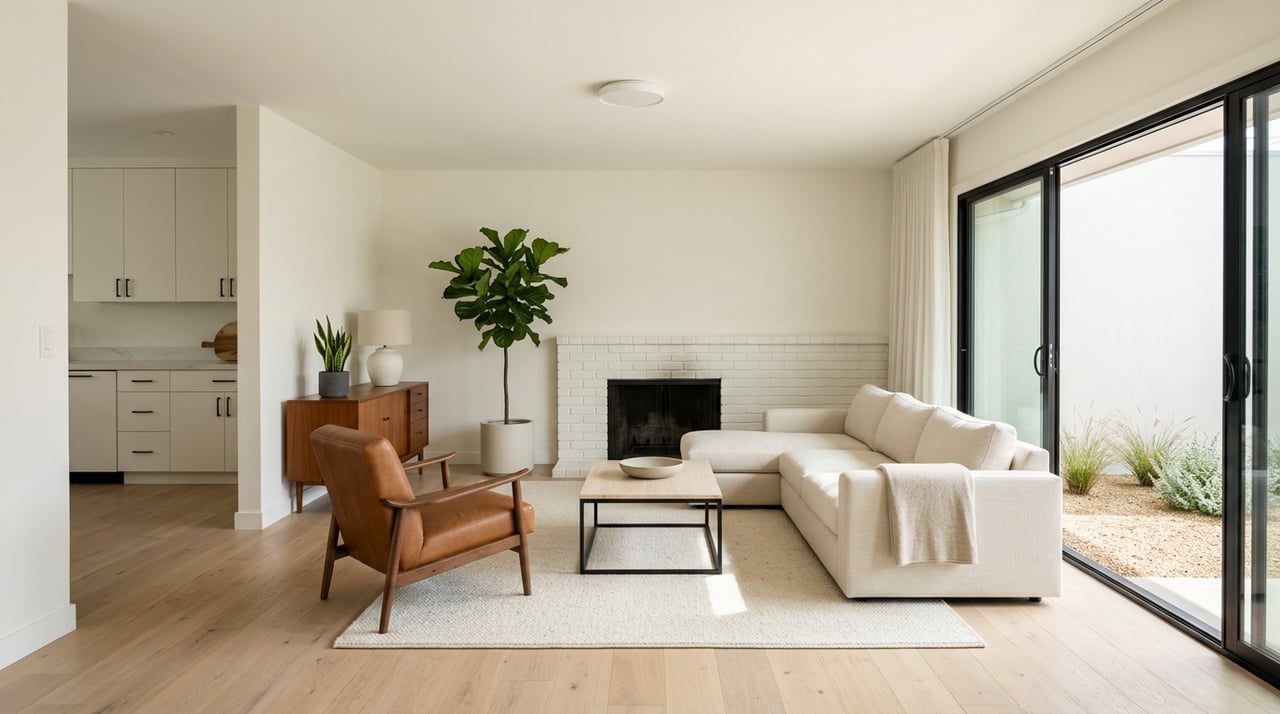
Thinking about selling your Wheat Ridge home and wondering how to make it stand out from the start? With many buyers beginning their search online, your listing needs to look exceptional in photos and feel move‑in ready during showings. The good news is you can get there with smart, local staging that highlights what buyers value most.
In this guide, you’ll learn how staging affects sale price and timing, which rooms to focus on first, and exactly how to tailor your plan to Wheat Ridge’s midcentury homes and outdoor lifestyle. You’ll also get clear budget options and a simple pre‑listing timeline. Let’s dive in.
Why staging matters in Wheat Ridge
Strong presentation is one of the fastest ways to improve your first impression online. Nationally, NAR’s 2025 Profile of Home Staging found that about 29% of agents said staging led to offers 1% to 10% higher, and about 49% of sellers’ agents saw reduced time on market. When your photos pop, you win clicks, saves, and early showings.
Buyer behavior supports this. Many buyers start their search online, and photos plus clear room functions rank among the most useful website features, according to NAR’s Profile of Home Buyers and Sellers. That means your living room, primary bedroom, and kitchen need to shine in photos and feel right in person.
In Wheat Ridge, recent portal snapshots placed typical home values roughly in the $585,000 to $650,000 range as of late 2025 to January 2026. Even a small uplift can be meaningful. On a $600,000 sale price, a 1% improvement equals about $6,000. A 5% improvement equals about $30,000. These figures illustrate why the right prep can pay.
Know your Wheat Ridge home type
Wheat Ridge’s core ZIP 80033 has a large share of homes built in the 1950s and 1960s. Local data for 80033 shows many properties from that era, which often means ranches, split‑levels, bungalows, and classic midcentury plans.
Features to highlight
- Picture windows and large glass that bring in natural light.
- Original wood trim, built‑ins, and brick or stone fireplaces.
- Simple, single‑level flow that feels open and easy to live in.
- Larger post‑war lots with patios and usable yards.
Let the midcentury character lead. Use low‑profile furniture, keep sightlines clear, and allow original materials to show. For more styling cues, see these midcentury staging tips.
What to stage first
NAR’s findings point to three rooms that sway buyers most: the living room, primary bedroom, and kitchen. Prioritize these, then round out the rest based on your budget.
Living room
- Use a neutral rug to unify the space and guide furniture placement.
- Choose a compact sofa and chairs that do not block windows or fireplaces.
- Add one statement piece in a midcentury style, then keep the rest simple.
Primary bedroom
- Keep the palette light and calm with layered neutral bedding.
- Use matching nightstands and lamps for balance and symmetry.
- Clear surfaces and closets to boost a sense of space.
Kitchen
- Declutter counters, remove small appliances, and add a simple wood or bowl accent.
- Update cabinet hardware and a faucet if dated. These are small swaps with big visual payoff.
- Ensure bright, even lighting for crisp listing photos.
Indoor‑outdoor flow
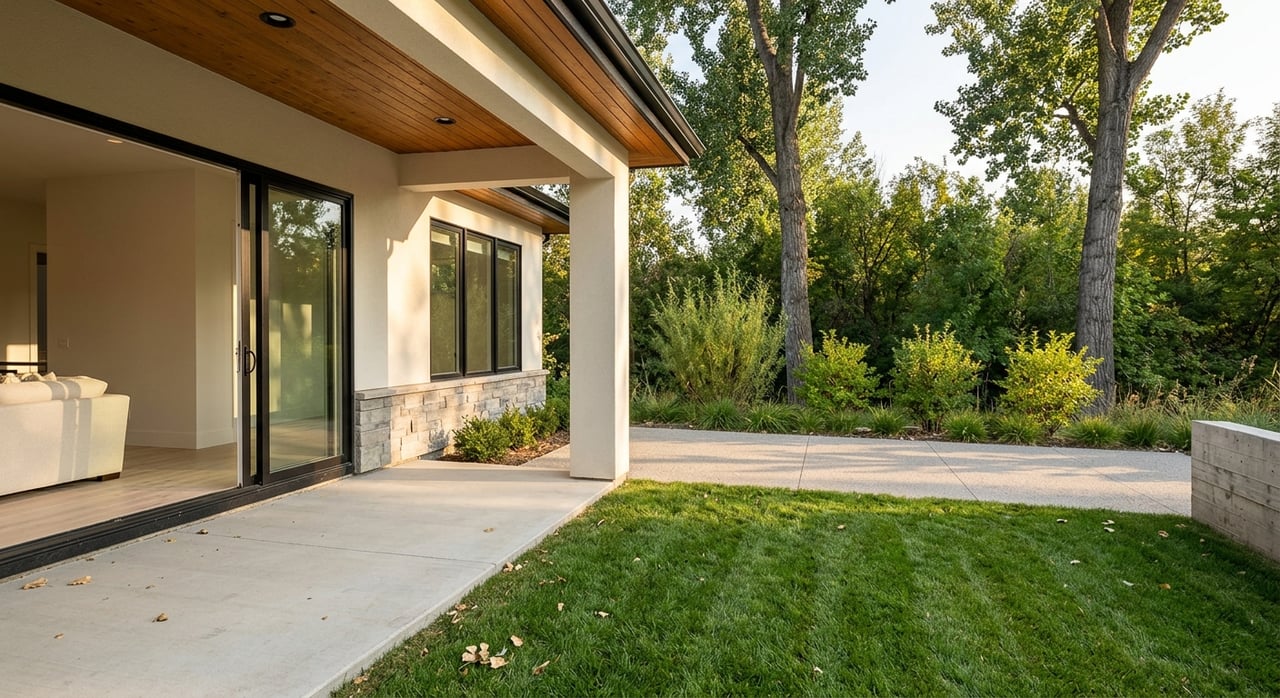
Wheat Ridge buyers value parks and trails, including Clear Creek Trail and Prospect Park. If you have a patio or yard, style it to suggest easy indoor‑outdoor living. A bistro set, clean path lines, and fresh planters help. The city continues to invest in green spaces, which you can reference in your listing remarks. See recent parks and trail improvements for context.
Staging options by budget
Below are practical paths that many sellers follow. Actual costs vary by scope and vendor. Get quotes before you commit.
Under $1,000: high impact first steps
- Declutter and depersonalize. Pack excess décor and all personal photos.
- Deep clean, including carpets, kitchens, and baths.
- Touch up paint in high‑visibility rooms using neutral tones. Replace old bulbs for bright, consistent light.
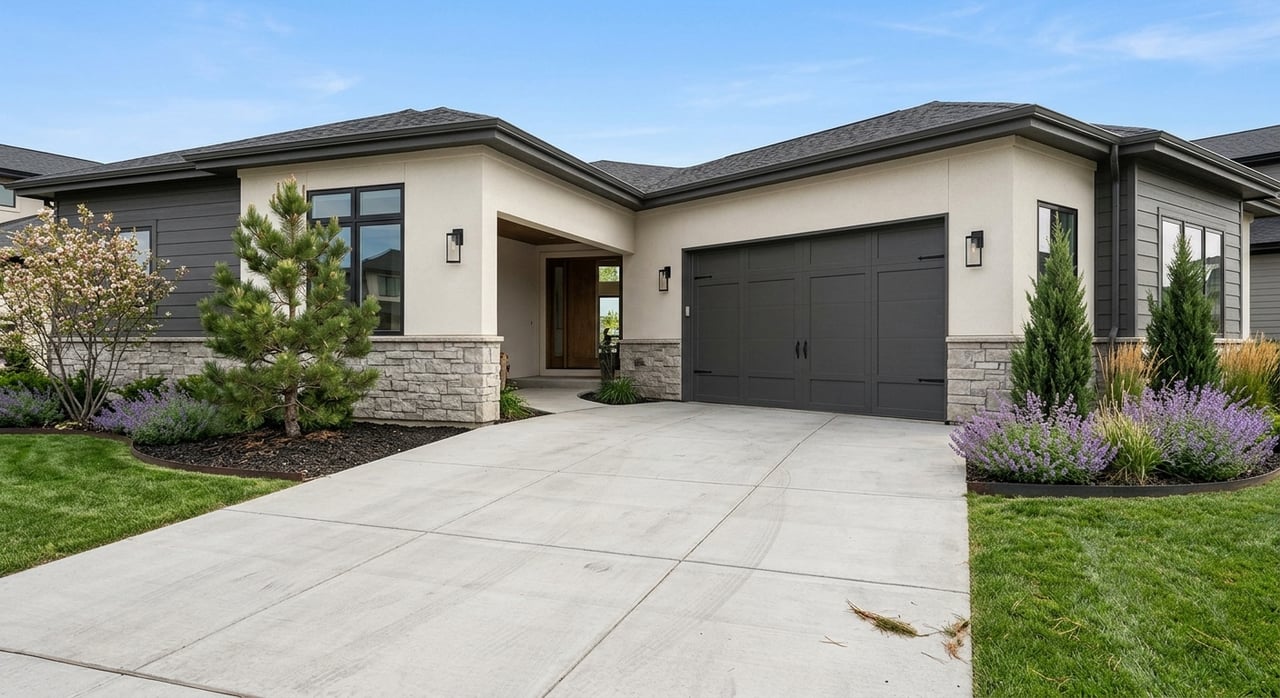
- Boost curb appeal with mulch, edged beds, a cleaned front door, and a tidy porch.
These steps increase perceived size and photograph far better, which helps you win attention quickly.
$800 to $3,000: targeted upgrades
- Professional photography and a measured floor plan. Schedule photos after staging for best results. Buyers rely on clear photos and layout visuals, which NAR’s buyer research supports.
- Partial staging of the living room, primary bedroom, and a kitchen vignette. Many sellers begin with a consult, then focus furniture and styling where it matters most.
- Strategic cosmetic updates. New cabinet hardware, a modern faucet, updated light fixtures, or fresh area rugs can modernize a space without a full renovation.
$2,900 to $7,000+: full staging for vacant homes
For vacant homes or upper‑tier listings, full staging can be appropriate. Industry ranges for full installs often start around $2,900 to $5,250 and rise with size and rental duration. See this staging statistics summary for typical ranges and considerations.
Virtual staging: fast and cost‑efficient
Virtual staging can seat empty rooms in photos at a fraction of the cost of furniture rental. Per‑photo pricing often totals a few hundred dollars for a complete set. Be transparent in your listing if images are digitally enhanced, since some MLSs require disclosure. Learn how virtual staging helps online listings stand out in galleries.
A simple four‑week launch timeline
Use this checklist to move from plan to live listing without last‑minute stress.
- Weeks −4 to −2: Meet your agent for pricing and a CMA. Book a staging consult and order long‑lead items like paint or fixtures. A staged process, like those outlined by Wall to Wall Home Staging, helps you sequence tasks.
- Weeks −2 to −1: Complete repairs, declutter and pack, deep clean, and refresh landscaping. Finish paint and lighting before any furniture install. Providers like Snap2Close emphasize finishing prep before photos.
- Week −1: Install staging. Finalize vignettes and book professional photos 24 to 72 hours later to capture lighting at its best.
- Week 0: Go live with staged photos and a floor plan. Add a short blurb about nearby trails and parks so local searches find you. Monitor early feedback and adjust if buyers seem confused about a room’s function or flow.
Room‑by‑room tips for midcentury homes
- Entry: Remove bulky furniture. Add a slim console, round mirror, and a simple plant.
- Living room: Keep furniture low so windows and fireplaces stay visible. Angle seating toward the focal point.
- Dining: Use a scaled table with four to six chairs and neutral art. Avoid table settings that feel busy.
- Kitchen: Replace yellowed bulbs with bright white. Use one or two wood or ceramic accents to warm the photos.
- Bath: Fresh white towels, a new shower liner, and updated hardware can reset the look quickly.
- Bedrooms: Keep only a bed, two nightstands, and a dresser. Store everything else.
- Outdoor: Power‑wash, trim, and stage a seating zone. If you have mountain views, orient seating to highlight them.
For an era‑correct look that still feels current, choose one vintage piece and keep the rest modern and neutral. These midcentury staging guidelines can help you strike the right balance.
Common mistakes to avoid
- Over‑furnishing that hides windows or fireplaces.
- Dark rooms. Replace bulbs and open treatments for bright, even light.
- Busy shelves and counters that make rooms feel small.
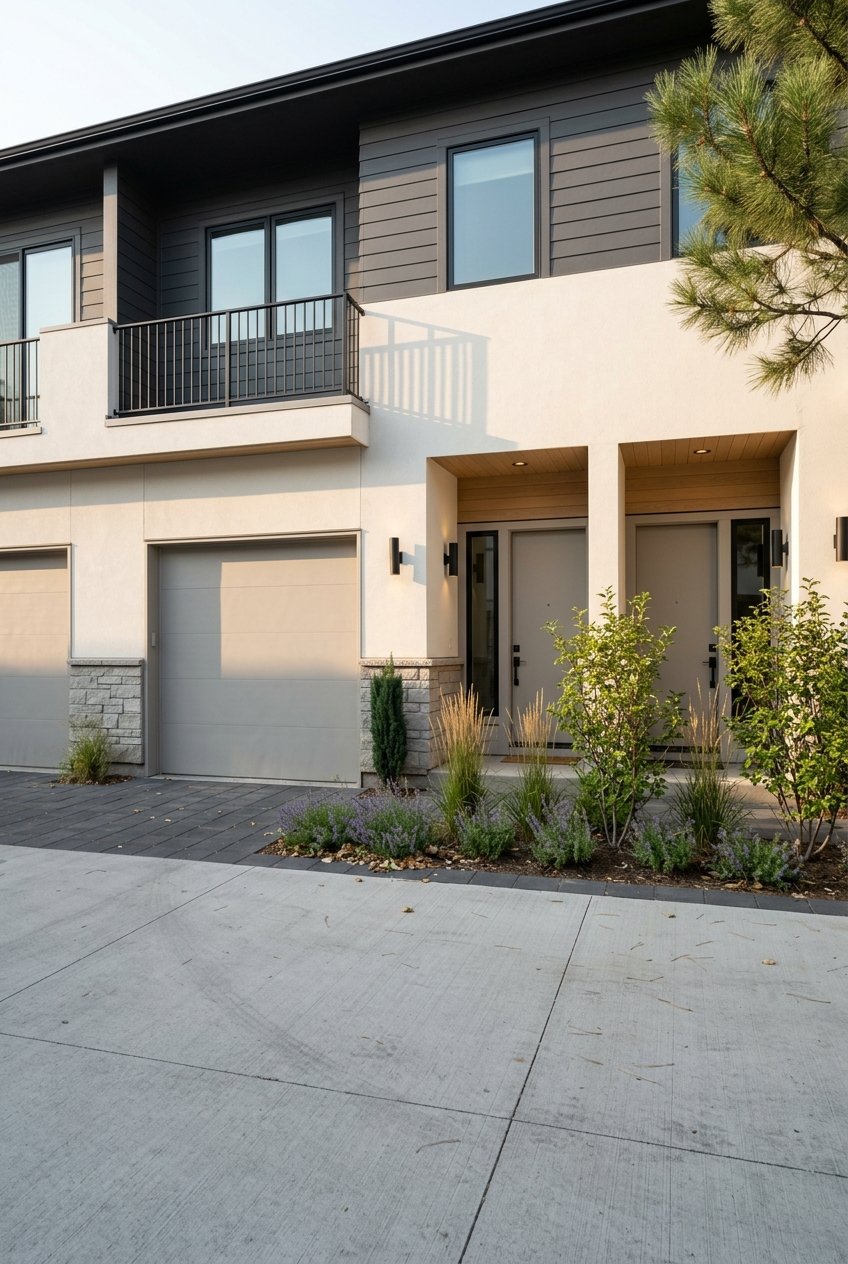
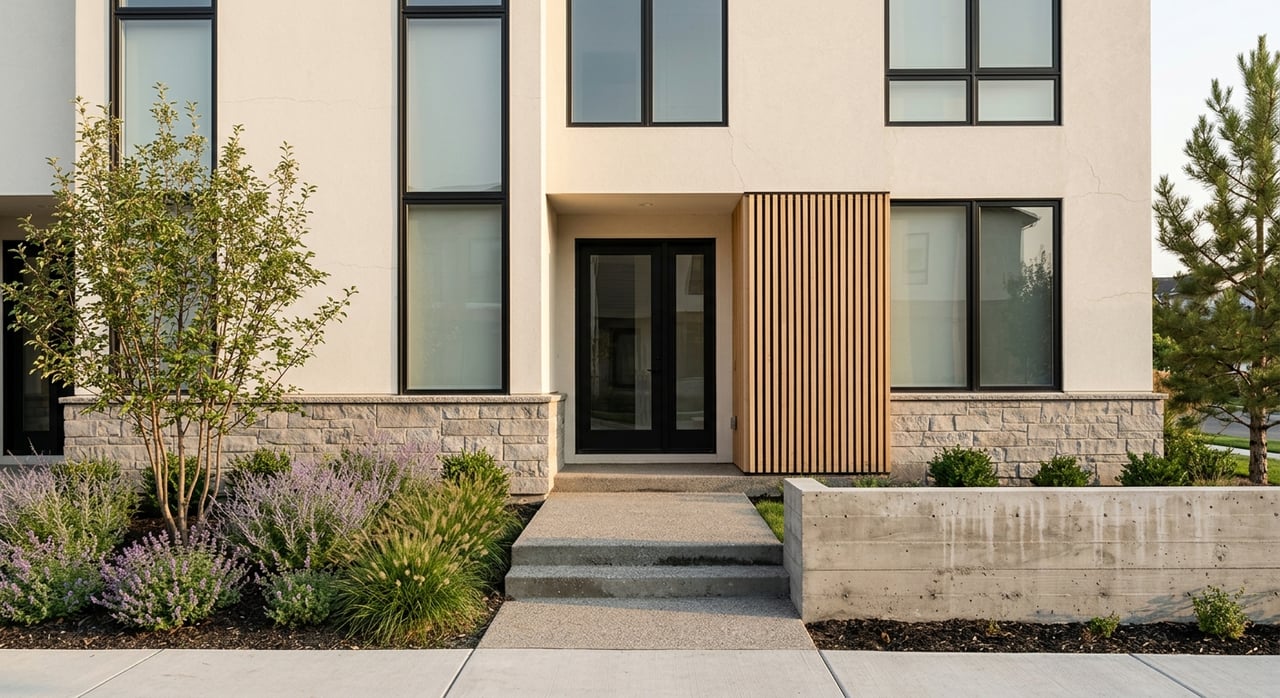
- Ignoring curb appeal. The front door and porch set the tone for the tour.
- Listing before photos are ready. Your first week online carries the most weight.
Measuring the payoff
You can track traction early with saves, showings, and feedback. If buyers consistently praise the look and flow, you are on the right path. If they question room functions or feel the home is dark, adjust staging and lighting, then update your photos.
Based on NAR’s 2025 staging report, realistic outcomes include fewer days on market and marginal price improvements. On a $600,000 home, even a 1% lift is $6,000, which can more than cover many staging budgets.
Ready to sell with confidence?
If you want a clear, numbers‑first staging and launch plan tailored to Wheat Ridge, we are here to help. From consults and vendor coordination to pricing and negotiation, you get a boutique, advisor‑led process focused on results. Start with a quick conversation with Greg Drake to map your next steps.
FAQs
What rooms should I stage first in a Wheat Ridge home?
- Prioritize the living room, primary bedroom, and kitchen since NAR’s staging research shows these rooms influence buyers most.
How much does home staging cost for sellers near Wheat Ridge?
- Many sellers spend under $1,000 on prep and photos, $800 to $3,000 for partial staging and light updates, and $2,900 to $7,000 or more for full vacant staging, per industry ranges like these statistics.
Do midcentury ranches need a different staging approach?
- Yes, keep furniture low and simple, highlight original wood or brick, and use one era‑aware accent so the home reads both authentic and broadly appealing, guided by midcentury staging tips.
Is virtual staging a good alternative to physical staging?
- Virtual staging can be a fast, cost‑efficient way to improve online photos, but disclose edits as required by your MLS; see this overview of virtual staging benefits.
When should I start staging before listing my Wheat Ridge home?
- Begin 3 to 4 weeks ahead: consult and order items first, complete repairs and cleaning next, then install staging and shoot photos in the final week, as outlined by providers like Wall to Wall Home Staging and Snap2Close.
What local features should I call out alongside staged photos?
- Mention indoor‑outdoor flow, usable yards, and proximity to Wheat Ridge parks and trails, supported by the city’s ongoing green space improvements.