If you want a Denver-area community that feels connected, walkable in key areas, and easy to enjoy outdoors, Littleton deserves a closer look. For many buyers, the challenge is finding a place with real character that still works for daily routines like commuting, running errands, and getting outside. Littleton offers that mix through its historic downtown, extensive trail access, and established housing patterns. Let’s dive in.
Why Littleton Feels Distinct
Littleton stands out because it does not feel built around just one era or one lifestyle. The city blends a historic core, established neighborhoods, trail connections, and practical regional access in a way that supports both everyday convenience and long-term livability.
That layered feel also shows up in the housing stock. According to U.S. Census QuickFacts for Littleton, the city has a 61.2% owner-occupied rate, a median owner-occupied home value of $630,600, and a median gross rent of $1,819. For you as a buyer or seller, that points to a market with a mix of ownership, rental options, and housing choices across different price points and property types.
Historic Downtown Shapes Daily Life
For many residents, downtown is more than a destination. It is part of how Littleton functions day to day. The Downtown Littleton Historic District, approved in 2021, includes Main Street, Alamo Avenue, and the streets between them.
The city notes that historic districts are intended to preserve cultural, social, and architectural history while still allowing compatible new construction and exterior changes through review. In practical terms, that helps maintain the character people notice when they spend time in the area, while still making room for thoughtful updates over time.
Downtown also works well for people who value a more pedestrian-friendly setting. City and visitor materials describe the area as walkable, and the city’s Project Downtown plan, adopted in November 2024, focuses on multimodal connectivity, parking, pedestrian safety, wayfinding, green infrastructure, and wider sidewalks. That kind of planning matters because it supports how you actually move through the area, not just how it looks on a map.
What that means for buyers
If you are drawn to places with visible history and a more connected street pattern, Littleton’s downtown-adjacent areas may feel especially appealing. The city’s comprehensive plan describes neighborhoods near Downtown and Littleton Boulevard as some of the most conducive to pedestrian, bicycle, and wheelchair circulation.
These neighborhoods also include features like rear alleys, shallow front yards, detached homes, and some attached housing forms. Because they are among Littleton’s oldest neighborhoods, they can offer a sense of place that feels different from newer suburban subdivisions.
Trails Are Part of Everyday Routine
One of Littleton’s biggest lifestyle advantages is that outdoor access is not limited to occasional weekend use. In many parts of the city, trails are part of how people exercise, unwind, and move between destinations.
South Platte Park is a major example. This 880-acre open-space area follows the South Platte River and the Mary Carter Greenway Trail, creating opportunities for fishing, kayaking, running, cycling, wildlife viewing, and natural-surface trail use.
That range of options gives Littleton a practical outdoor rhythm. You are not relying on a single park or a short neighborhood path. Instead, you have a broader network that can support quick walks, longer bike rides, and more regular time outside.
Lee Gulch adds connectivity
Trail access in Littleton is also useful beyond recreation. Lee Gulch connects the Mary Carter Greenway to the High Line Canal Trail and passes through neighborhoods and parks. It also includes a tunnel under Santa Fe Drive, which makes it easier to travel through the area without crossing a busy roadway at grade.
South Suburban Parks and Recreation says it maintains more than 125 miles of trails and views trail connectivity as a way to help residents reach work, school, parks, shopping, and recreation without busy cross streets. For you, that means trails can be part of daily life, not just a scenic bonus.
Commuting and Regional Access
A community can have charm and outdoor appeal, but it still needs to work logistically. Littleton checks that box with light-rail access and major road connections that support commuting across the south metro and into Denver.
The city says Littleton is about 20 minutes from downtown Denver and offers quick access to I-25, C-470, and South Santa Fe Drive. That kind of location can be helpful if your work, family, or activities regularly take you across different parts of the metro area.
RTD’s Littleton/Mineral Station is one part of that regional access picture. The station is a park-n-ride with 1,227 parking spaces and direct D Line service. RTD also notes that the Southwest Corridor Light Rail Line runs 8.7 miles from I-25 & Broadway to Mineral Avenue and includes five stations.
Why this matters in a home search
When you evaluate where to live, daily convenience usually matters as much as home features. If you want easier access to central Denver, nearby employment centers, or regional amenities, transit and road connectivity can make Littleton feel more practical than a farther-out suburb.
For sellers, that same convenience can be part of your home’s market appeal. Buyers often look closely at how a location supports work commutes, errands, and recreation all in one place.
Housing Has a Layered, Established Feel
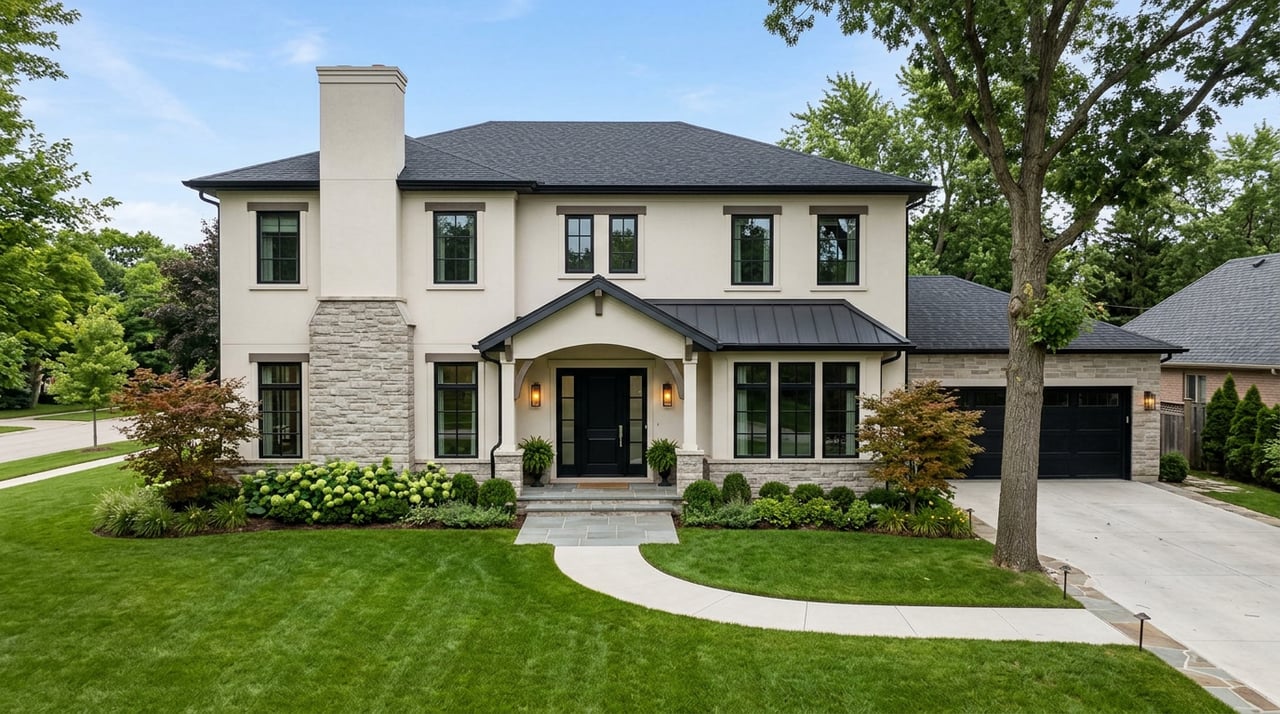
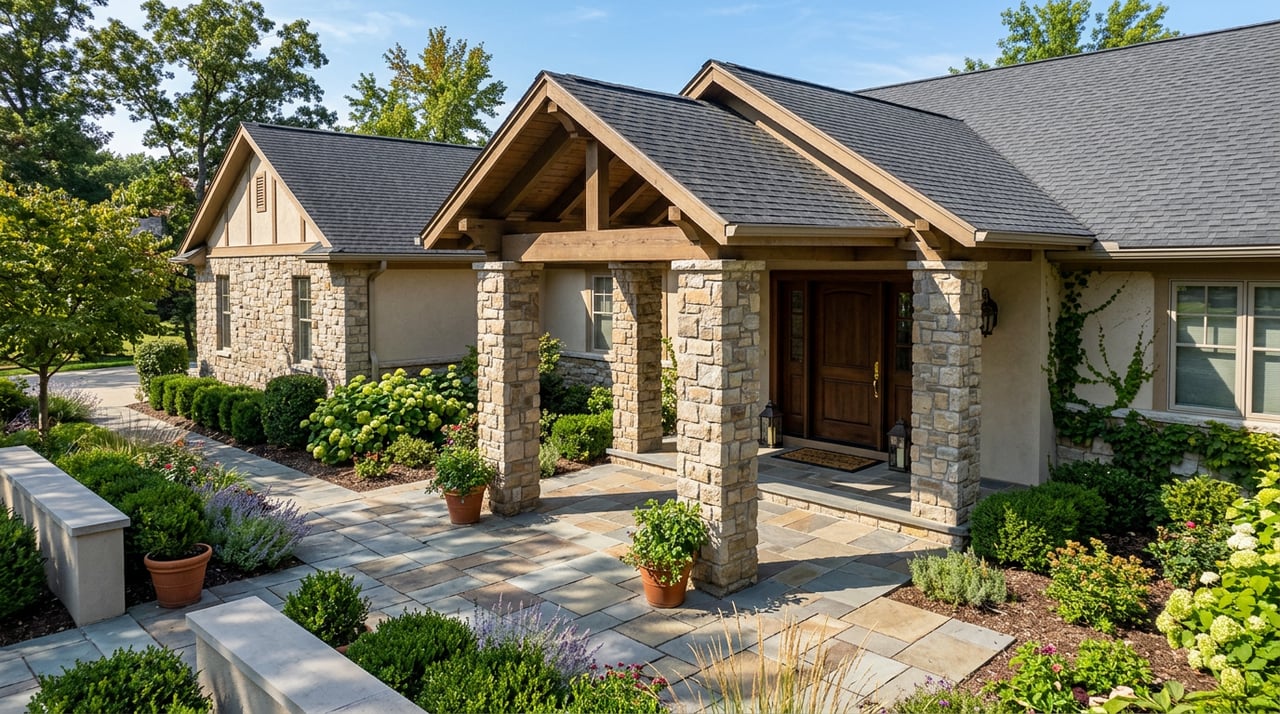
Littleton’s housing stock reflects the city’s long development history. Instead of one dominant style, you will find a mix of home types and architectural periods that contribute to a more varied streetscape.
The city’s comprehensive-plan housing data notes that in 2017, the housing mix was a little over half single-family detached, with 11% single-family attached, 35% multi-unit, and 2% mobile homes. The same plan states that 71.7% of the housing stock was at least 30 years old.
That helps explain why Littleton often feels established rather than uniform. You may see older homes with mature lots in one area and different forms of attached or multi-unit housing in another, depending on where you focus your search.
Historic and postwar influences
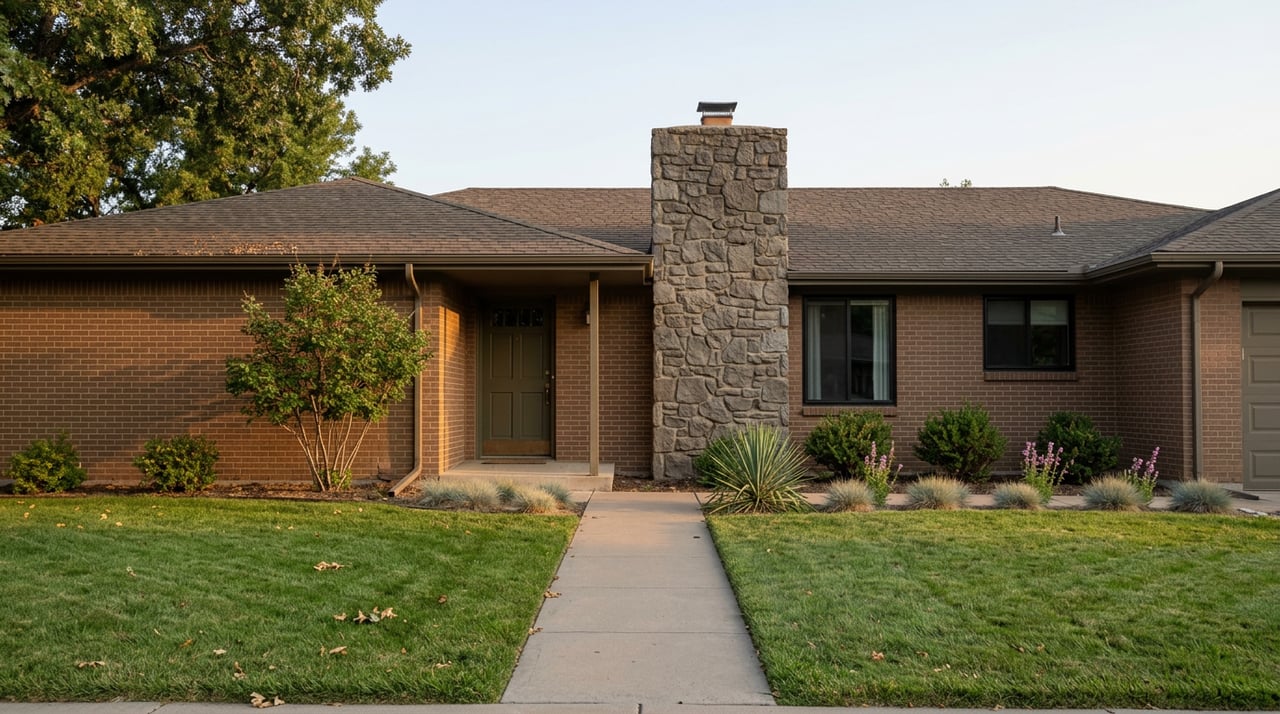
Littleton’s historic residential inventory includes Craftsman and Bungalow homes in Louthan Heights, along with examples of Queen Anne and Dutch Colonial Revival styles in the city’s historic survey. The city also identifies postwar Modern and Ranch neighborhoods built after 1946.
For buyers, this means architectural variety is part of the experience. For sellers, it means pricing and positioning should account for the specific character, age, condition, and location of your property rather than relying on broad assumptions about the city as a whole.
Who Littleton May Fit Best
Littleton can appeal to a wide range of households because it combines established neighborhoods, outdoor access, and practical transportation links. Census and city planning data also show a mixed-age population, with 18.4% of residents under 18, 20.1% age 65 or older, and 56.8% of adults holding a bachelor’s degree or higher.
That does not make every area the same, but it does suggest a community with varied life stages and long-term residential appeal. If you are relocating, moving up, downsizing, or buying your first home in the south metro, Littleton offers a combination of character and functionality that is worth exploring carefully.
Key Takeaways Before You Move
If you are comparing Littleton with other Denver-area communities, a few strengths stand out:
- Historic downtown presence gives the city a recognizable center and preserved architectural identity.
- Trail connectivity supports recreation and local mobility through parks, neighborhoods, and open space.
- Transit and road access make commuting and regional travel more manageable.
- Established housing stock creates variety in home style, lot patterns, and neighborhood feel.
- Mixed housing types provide options beyond one single suburban model.
The best fit depends on your goals, budget, commute, and the type of home you want. In a market like Littleton, local guidance can help you compare older homes, attached options, and established neighborhoods with more confidence.
If you are thinking about buying or selling in Littleton, working with an advisor who understands both the numbers and the neighborhood can make your next move simpler. Greg Drake offers practical, data-driven guidance to help you evaluate your options and move forward with clarity.
FAQs
What is daily life like in Littleton, Colorado?
- Daily life in Littleton often centers on a mix of historic downtown access, connected trails, established neighborhoods, and practical commuting options into the Denver metro.
What makes downtown Littleton unique for homebuyers?
- Downtown Littleton stands out for its historic district, pedestrian-friendly setting, and ongoing city planning focused on safer sidewalks, connectivity, parking, and wayfinding.
Are trails in Littleton useful for more than recreation?
- Yes. South Suburban Parks and Recreation says its trail network is intended to help residents reach places like parks, shopping, work, and school while reducing the need to cross busy streets.
What types of homes are common in Littleton?
- Littleton includes single-family detached homes, attached homes, multi-unit housing, and older housing stock from multiple eras, including historic styles and postwar Ranch neighborhoods.
Is Littleton a good location for commuting around Denver?
- Littleton offers access to RTD light rail, including the Littleton/Mineral Station, and the city notes convenient connections to downtown Denver, I-25, C-470, and South Santa Fe Drive.