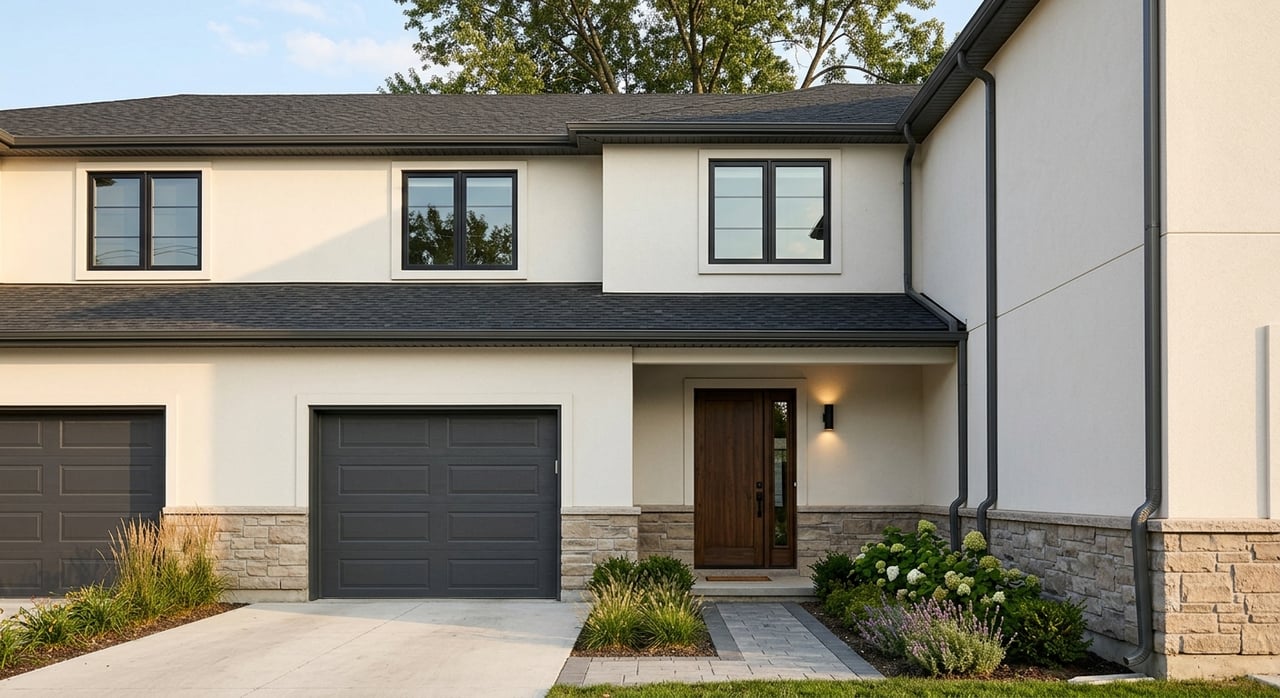
Trying to choose between a townhome and a house in Littleton? You are not alone. For many buyers, this decision comes down to a simple question with big financial and lifestyle consequences: do you want more control, or more convenience? In this guide, you will see how Littleton’s housing mix, pricing, maintenance demands, and HOA realities can shape the right choice for you. Let’s dive in.
Littleton offers both options
Littleton is a mature, mostly built-out market with a true mix of detached and attached housing. The city’s planning work continues to support a broader range of housing types, even while single-family homes remain a major part of the local housing landscape. According to Envision Littleton, single-family homes are still allowed in more than half of the city’s zone districts and in four out of five residential zone districts.
That matters because your choice is not just theoretical in Littleton. This is a market where both housing types play an important role, and buyers often weigh price, upkeep, privacy, and flexibility against each other.
Price often drives the first decision
In Littleton, attached housing is often the lower-cost way to enter the market. As of April 20, 2026, Redfin’s Littleton housing market data shows a median sale price of $627,500, a median list price of $615,000, and an average of about 18 days on market.
That same market snapshot shows a big difference by property type. Redfin reports current median listing prices of about $350,000 for condos and about $500,000 for townhouses, which suggests that townhomes and condos can offer a more accessible starting point than the broader city market.
For many buyers, that price gap changes the conversation fast. If you want to buy in Littleton sooner, keep your initial purchase price lower, or preserve cash for savings and moving costs, a townhome or condo may deserve a serious look.
What ownership really means
The biggest practical difference between a house and a townhome is not just the walls. It is the ownership structure and who handles what.
A detached single-family home usually gives you control over both the house and the lot. You are typically responsible for exterior maintenance, landscaping, repairs, and snow removal. A condo or townhome community, by contrast, often involves shared elements and common areas that are managed by an association.
According to Fannie Mae’s condo buying guide, condo communities are governed by associations, and fees often cover exterior and common-area maintenance along with services such as water, sewer, trash, and amenities. Townhomes can vary, but many also involve shared walls and association management.
Townhome living can mean less upkeep
If you do not want to spend weekends on yard work, exterior repairs, or snow shoveling, attached housing may feel easier to manage. That is one reason townhomes and condos often appeal to first-time buyers, busy professionals, and downsizers.
Colorado’s HOA homeowner toolkit explains that associations may handle services such as snow removal, trash service, and other shared responsibilities. What is included can vary widely by community, so the value of HOA dues depends on what you actually receive.
This trade-off is straightforward. You may get more convenience, but you also agree to shared rules, shared costs, and less direct control over some decisions.
A house gives you more control
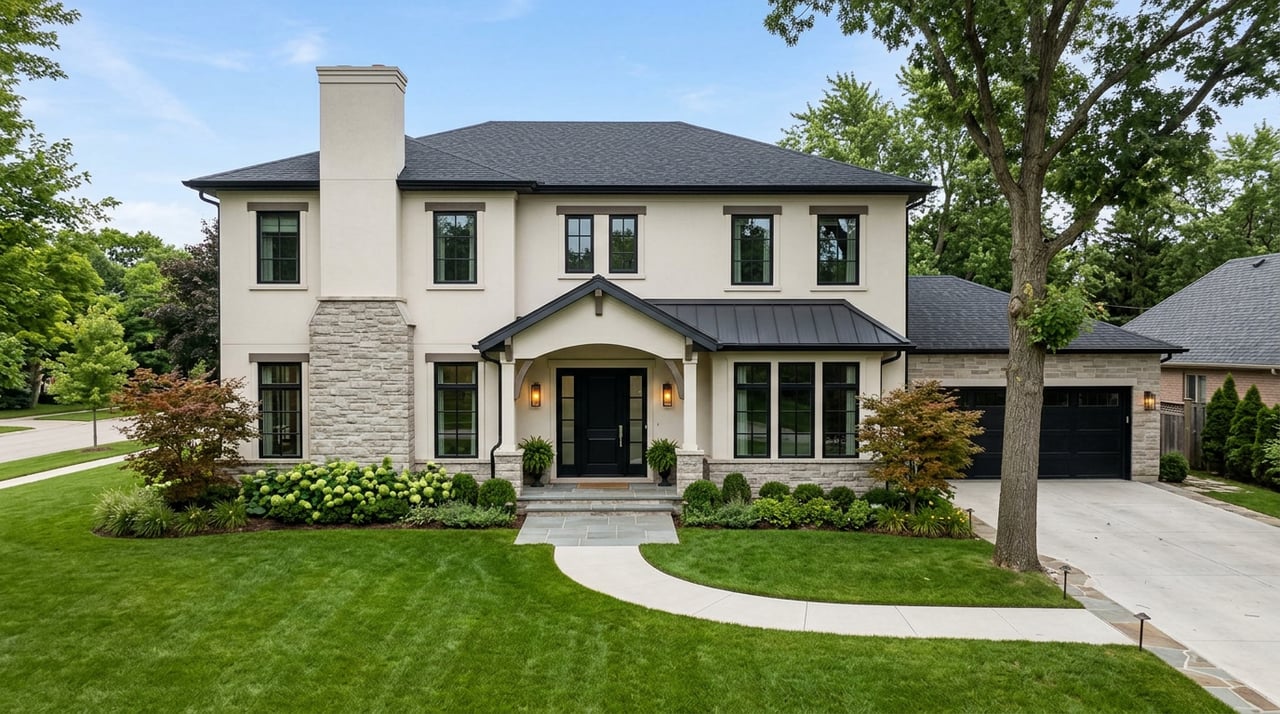
If you want more privacy, more outdoor space, or more freedom to make changes, a detached house may fit better. You usually have more say over maintenance timing, landscaping choices, and how you use the property.
That extra control can be a major advantage, especially if you value space and flexibility. It also means you are more likely to handle the full cost of a roof, siding, exterior paint, or landscape work yourself rather than sharing those costs through an HOA structure.
In Littleton, detached homes remain a core part of the housing mix. The city’s planning direction still reflects that reality even as it explores more middle-density and attached housing forms through Envision Littleton.
HOA dues are only part of the cost
One of the most common mistakes buyers make is comparing a townhome payment to a house payment without fully accounting for HOA costs. Monthly dues are usually paid separately from your mortgage payment, and they can have a real impact on affordability.
The Consumer Financial Protection Bureau notes that condo or HOA dues can range from a few hundred dollars to more than $1,000 per month. That means a lower purchase price does not always translate to a lower monthly housing cost.
At the same time, detached homes carry their own costs. You may avoid monthly HOA dues, but you should still budget for repairs, seasonal maintenance, and long-term replacements. In practice, the question is not whether you will pay for upkeep. It is whether you prefer predictable shared dues or more direct and sometimes uneven repair expenses.
Special assessments deserve close attention
If you are looking at a townhome or condo, the monthly dues number is only the starting point. You also need to understand whether the association has enough reserves, what projects are coming, and whether owners may be asked to pay more.
Colorado’s Division of Real Estate explains that special assessments and delinquency rules can create serious financial consequences. Unpaid assessments may lead to a lien, and in some cases delinquency can result in foreclosure action.
That is why attached-home buyers should look beyond the listing sheet. You want to know if the HOA is financially healthy, whether major repairs are planned, and whether any special assessments have already been approved.
Financing can be easier for houses
Detached homes are often simpler from a financing standpoint. Condos can involve an extra layer of project review that has nothing to do with the specific unit itself.
Fannie Mae notes through its condo project eligibility guidance that lenders may need to review whether a condo project meets lending standards. Potential red flags can include insufficient master insurance, critical repairs, litigation, and project characteristics that resemble hotel or short-term-rental use.
This is important because a well-maintained condo can still be harder to finance if the broader project has issues. If you are considering attached housing in Littleton, it helps to identify financing concerns early rather than after you are already emotionally invested.
Privacy and lifestyle matter too
Not every part of this decision belongs in a spreadsheet. Your day-to-day lifestyle matters just as much.
Attached homes often mean closer neighbors, shared walls, and smaller outdoor areas. For some buyers, that is an easy trade for less maintenance and a more manageable footprint. For others, privacy and yard space are worth paying more for.
Littleton’s 2019 housing study helps explain why both options remain relevant. The city housing study found interest in affordability, single-level living, and small-yard downsize options, while also showing that Littleton has long had a mix of detached and attached housing. While the study is older and should not be treated as a current inventory count, it still offers useful context for what many buyers want.
A simple Littleton fit test
If you are still deciding, this quick framework can help.
A townhome or condo may fit best if you:
- Want a lower entry price in Littleton
- Prefer less exterior maintenance
- Are comfortable with HOA rules and monthly dues
- Like the idea of shared services such as snow or trash removal
- Do not need a large yard or maximum privacy
A single-family house may fit best if you:
- Want more privacy and separation from neighbors
- Value outdoor space and flexibility
- Prefer direct control over repairs and property decisions
- Are comfortable budgeting for maintenance yourself
- Want fewer shared rules and fewer association constraints
What to review before you buy attached
If you are leaning toward a Littleton townhome or condo, document review is essential. In Colorado, buyers can request HOA governing documents once under contract, and they can also obtain CC&Rs from the county clerk and recorder before then.
The Colorado Division of Real Estate’s guide on buying a home in an HOA suggests reviewing key items such as:
- HOA dues and what they cover
- Reserve funding and financial health
- Approved or possible special assessments
- Pet, rental, and parking rules
- Insurance obligations
- Meeting minutes and project condition
A careful review can protect both your budget and your resale options later.
The right answer depends on your priorities
In Littleton, there is no one-size-fits-all answer. A townhome may be the smarter fit if you want a lower purchase price and less hands-on upkeep. A house may be the better choice if you want more control, more privacy, and more freedom over the property.
The key is to compare the full picture, not just the list price. When you look at monthly costs, maintenance expectations, financing, HOA health, and your lifestyle goals together, the right fit usually becomes much clearer.
If you want help weighing townhome versus house options in Littleton, Greg Drake can help you compare costs, review trade-offs, and make a confident move with clear local guidance.
FAQs
What is usually more affordable in Littleton: a townhome or a house?
- Based on current Redfin data for Littleton, townhomes and condos often have lower median listing prices than the broader city market, making attached housing a common lower-entry-price option.
What do HOA dues usually cover in a Littleton townhome or condo?
- Coverage varies by community, but Fannie Mae’s condo guide says dues often help cover exterior and common-area maintenance and may also include services like water, sewer, trash, and amenities.
What should you review before buying a townhome in Littleton with an HOA?
- You should review dues, reserves, governing documents, meeting minutes, special assessments, insurance obligations, and rules on pets, rentals, and parking, as outlined by Colorado’s guidance on buying a home in an HOA.
Are condos and townhomes harder to finance than houses in Littleton?
- They can be, because Fannie Mae’s condo eligibility guidance explains that lenders may need to review the entire condo project for issues like insurance, repairs, litigation, or other red flags.
Why do some Littleton buyers choose a house over a townhome?
- Many buyers choose a house because they want more privacy, more outdoor space, and more direct control over maintenance and property decisions.
Why do some Littleton buyers choose a townhome over a house?
- Many buyers choose a townhome because it can offer a lower entry price, less exterior maintenance, and a more manageable day-to-day ownership experience.