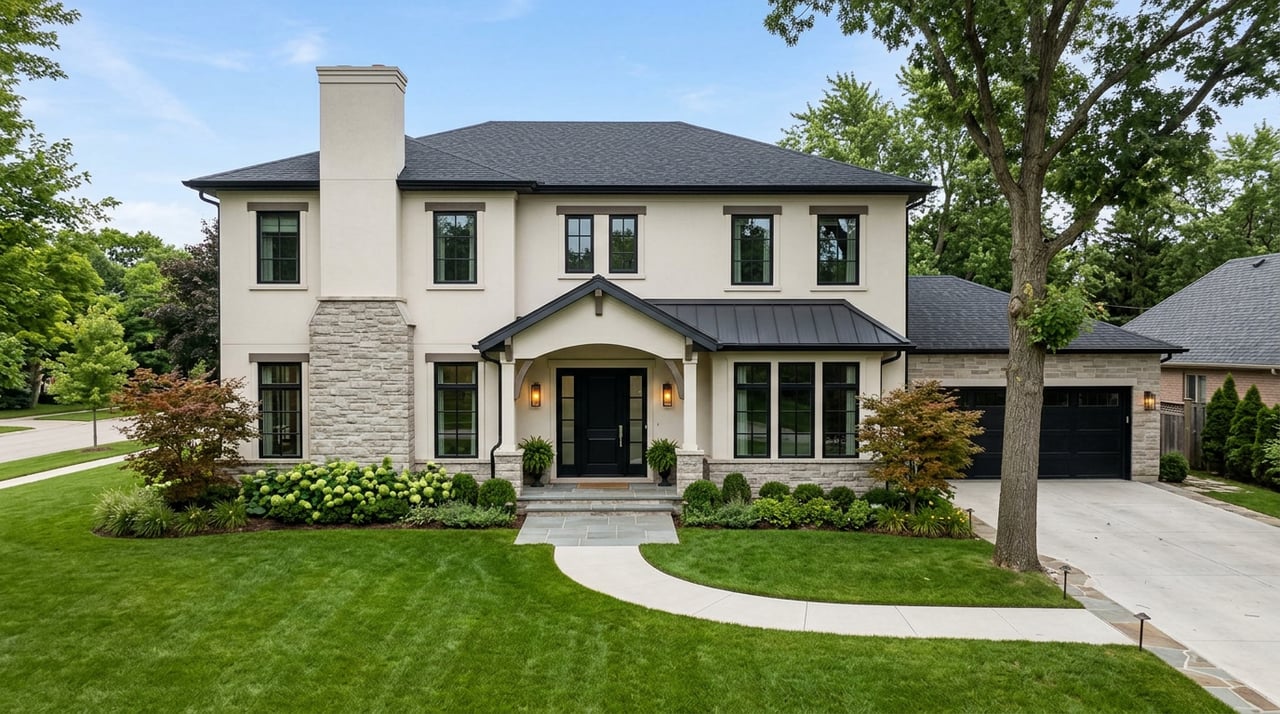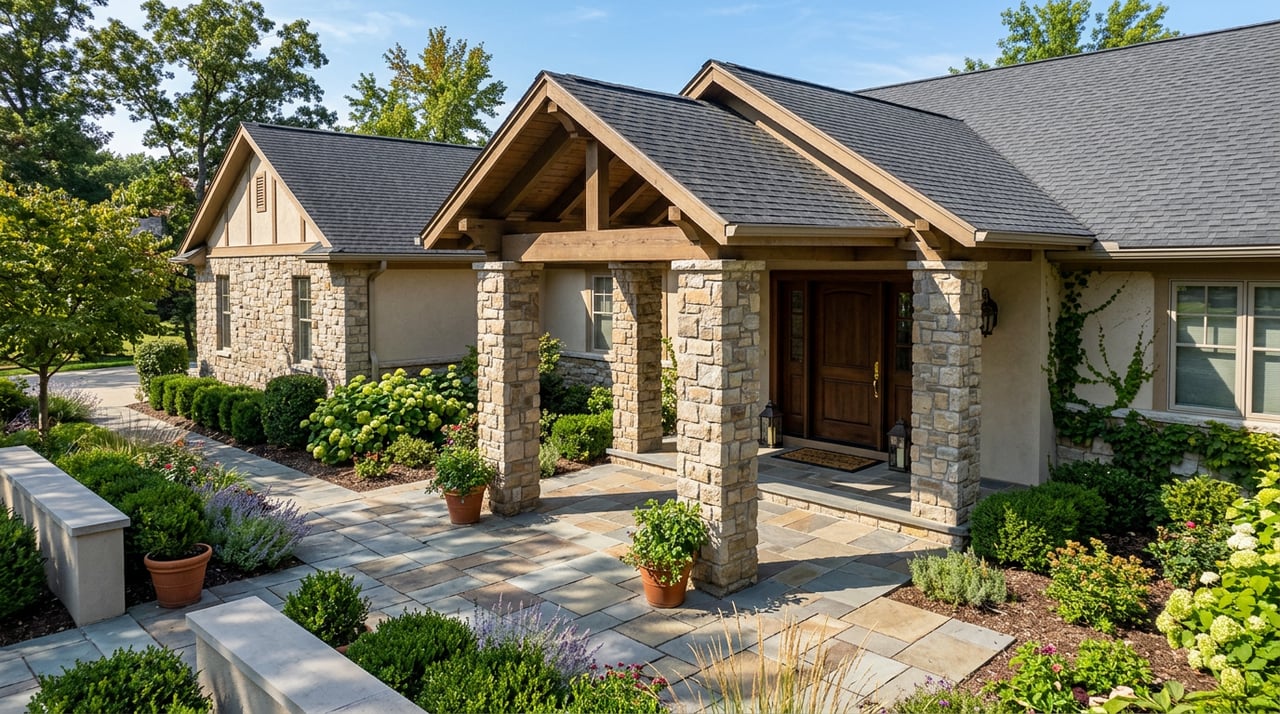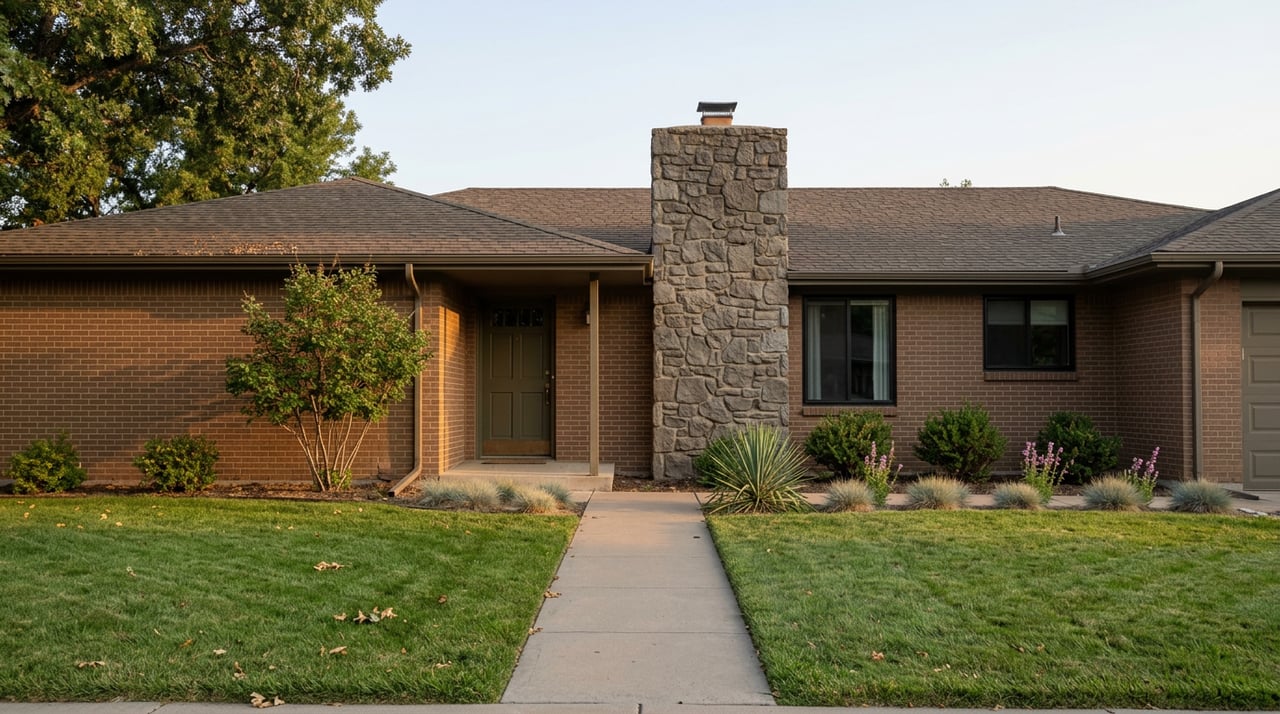
A 1962 ranch in Eiber and a 2005 townhome near Solterra can list for the same price, pass the same general home inspection, and still end up in two completely different negotiations. The difference shows up after the inspector leaves, when the sewer scope camera goes down the line and the radon monitor starts its 48-hour count. In Lakewood, that is usually where a contract actually moves, not during the walkthrough.
That distinction matters more than it used to. Resideline's tracking of Lakewood closings shows a median sold price of $550,000 over the six months ending in late August 2026, with the middle half of sales landing between $381,000 and $725,000, and homes moving from listed to under contract in a median of 11 days. A market that fast does not leave much room for a slow negotiation over paint color or an outdated light fixture. The friction that survives in a market like this tends to be the kind buyers cannot see standing in the kitchen: what is happening under the yard, and what is collecting in the basement air.
Two Different Houses, Two Different Risks
Lakewood's housing stock did not arrive all at once, and that history is still doing work in every contract written today.
The clay-and-cast-iron half of the city. Neighborhoods like Applewood, Eiber, Green Mountain, Bear Creek, Kendrick Lake, and Belmar carry a meaningful share of homes built from the 1950s through the 1970s. Sewer laterals from that era were commonly clay, cast iron, or Orangeburg pipe, a wood-fiber-and-tar product that was standard through the early 1970s and is now one of the more common reasons sewer lines get replaced rather than repaired. Front Range clay soil expands and contracts with every freeze-thaw cycle, which slowly shifts pipe joints out of alignment, and mature trees in these older, larger-lot neighborhoods send roots toward that moisture. Neither problem shows up on a standard walkthrough.
The newer, PVC-era half. Areas built out later, closer to Solterra and Colorado Mills, generally run on PVC lines that do not share the same failure pattern. That does not mean these homes skip inspection. It means the conversation is different: less about pipe material and more about workmanship and settling.
The dollar figures explain why this distinction becomes leverage instead of trivia. A sewer scope itself is inexpensive, typically $150 to $400 depending on whether it is bundled with a general inspection. A sewer line repair or replacement, if the scope finds a real problem, commonly runs $3,500 to $8,000. That gap between the cost of looking and the cost of what you might find is exactly the kind of asymmetry that turns a routine inspection period into a real negotiation.
What Jefferson County's Own Data Says About the Air Test
Sewer risk in Lakewood tracks with the age of the block. Radon risk does not care what decade your house was built.
Jefferson County's own public health page states plainly that the EPA has ranked Colorado as a Zone 1 radon area, meaning the average home in the state is expected to exceed the EPA's action level, and that roughly 50 percent of homes tested in Jefferson County come back above that threshold every year. That is not a neighborhood-specific statistic. It applies as much to a new build near Colorado Mills as it does to a 1958 ranch in Eiber.
The action level itself is 4 picocuries per liter. Below 2 pCi/L, most inspectors consider the reading fine. Between 2 and 4, it is worth discussing. At or above 4, the EPA recommends mitigation, which typically means installing a system that draws gas from beneath the foundation and vents it outside. That work usually costs $1,200 to $2,500. Because a radon test costs so little to run relative to what mitigation costs if it comes back high, it belongs in every Lakewood inspection period regardless of the home's age or address.
The Clock That Actually Decides the Outcome
None of this matters if the paperwork does not keep pace. Colorado's standard contract sets an inspection objection deadline that commonly falls somewhere between 7 and 14 days after acceptance, with a resolution deadline following a few days after that. Miss the objection deadline and the right to ask for a credit or repair is gone, regardless of what the sewer camera or radon monitor found.
That timeline is tight even before you add a sewer scope and a radon test to a general inspection. A radon monitor needs to sit in the lowest livable level of the home for 48 hours to produce a usable reading. A sewer scope needs its own appointment unless it is scheduled alongside the general inspection. Waiting until the general inspection report comes back before booking either one is the single most common way buyers run out of runway inside a 7-day window.
The other pattern worth naming: in a market moving this quickly, some buyers waive the general inspection contingency to make an offer more competitive. That is a real strategy, and it can work. What it should not include is giving up the ability to look at the sewer line and test for radon. Buyers can often negotiate to keep those two items as information-only rights inside an otherwise waived inspection, meaning they still get to see the results even if they have given up the right to walk away or renegotiate based on the general report.
What This Actually Means, Whether You're Buying or Selling
If you're selling an older home in Applewood, Eiber, Green Mountain, Bear Creek, Kendrick Lake, or Belmar, a sewer scope before you list turns a potential mid-contract surprise into a line item you controlled. A $150 to $400 scope done on your terms, with time to get repair quotes if needed, is a very different position than a buyer's scope landing on day six of a seven-day window with a $6,000 repair estimate attached.
If you're buying anywhere in Lakewood, budget for a radon test no matter how new the home looks. The pipe under the yard depends on when the block was built. The gas coming up through the foundation does not.
If you're waiving contingencies to compete for a listing, keep the sewer scope and radon test as information-only rights rather than dropping them along with the general inspection. The cost of running both tests is small. The cost of skipping them and being wrong is not.
If you're negotiating a finding, come with a number, not a feeling. A credit request tied to an actual repair estimate moves faster than a general objection, and it gives the seller something concrete to respond to before the resolution deadline arrives.
Frequently Asked Questions
Is radon testing legally required to sell a home in Colorado? No. It is not a legal requirement, but it is common practice, and many lenders and inspectors treat it as standard given the state's Zone 1 classification.
Does a sewer scope require any digging? No. The camera is fed through the existing cleanout, and the process is non-destructive. Most scopes take well under an hour.
What happens if a sewer or radon issue turns up after my objection deadline has already passed? In most cases, that finding cannot be used to reopen the negotiation, which is exactly why both tests need to be scheduled on day one of the inspection period rather than after the general report comes back.
Lakewood's market is moving fast enough that the general inspection rarely slows a deal down anymore. What decides the outcome is usually smaller, cheaper, and easy to overlook until it isn't. If you're weighing how a specific Lakewood property's pipe age or radon exposure might affect your price or your timeline, the team at Realty Professionals can walk through the numbers with you. Schedule a consultation before you write or accept an offer, not after.