Wondering why Wheat Ridge can feel so different from one block to the next? That is one of the city’s defining traits. If you are trying to figure out where you might feel most at home, this guide will help you understand Wheat Ridge home styles, lot patterns, and the overall neighborhood feel so you can narrow your search with more confidence. Let’s dive in.
How Wheat Ridge developed
Wheat Ridge did not grow around one traditional downtown. According to the city’s history and architectural guidance, it developed more as a corridor city, with commercial activity lining major roads and residential areas spreading outward over time.
That history still shapes what you see today. Instead of one uniform look, Wheat Ridge feels more like a collection of distinct pockets, each with its own street pattern, housing mix, and pace.
Why neighborhoods feel different
One of the biggest factors is the city’s east-to-west pattern. East of Wadsworth, the layout follows the traditional Denver grid and tends to be older and denser. West of Wadsworth, the pattern shifts toward a more suburban layout with curved streets, cul-de-sacs, and lower density.
Farther west, some agricultural uses and a more rural setting still remain. That mix helps explain why Wheat Ridge can feel established and compact in one area, then more open and spacious just a short drive away.
The city also notes that all land is zoned. In practical terms, that helps create neighborhoods and corridors with distinct identities instead of one repeating subdivision pattern across the city.
What home styles you will likely see
Most of Wheat Ridge’s housing stock is older. City data shows that nearly 80% of single-family homes were built between 1940 and 1979, while only 12% were built in 1980 or later.
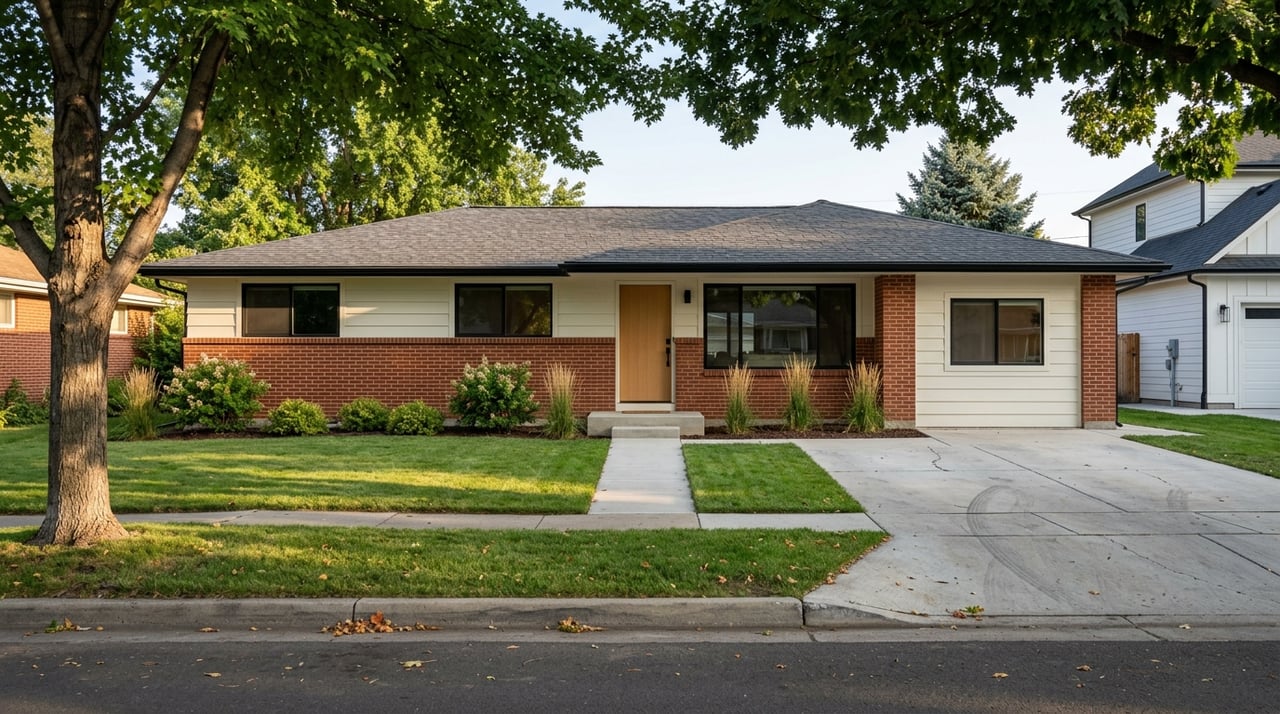
That age profile gives many streets an established feel. In many older areas, especially on the east side, you are likely to see homes that read as mid-century in character, often with updates or additions layered in over time.
It is important to think of Wheat Ridge less as a place with one signature house style and more as a place with several overlapping eras of development. Because many residential districts do not have architectural design standards for single-unit and duplex homes, visual character can vary quite a bit from street to street.
Older east-side areas
The easternmost neighborhoods developed before 1930, and much of the city’s residential development followed between 1930 and 1970. These older areas often feel more established because of the older street grid, mature landscaping, and long-standing housing stock.
If you like neighborhoods with a settled, lived-in feel, the east side may stand out to you. These pockets often reflect the city’s earlier growth pattern more clearly than newer redevelopment areas.
Newer infill and redevelopment areas
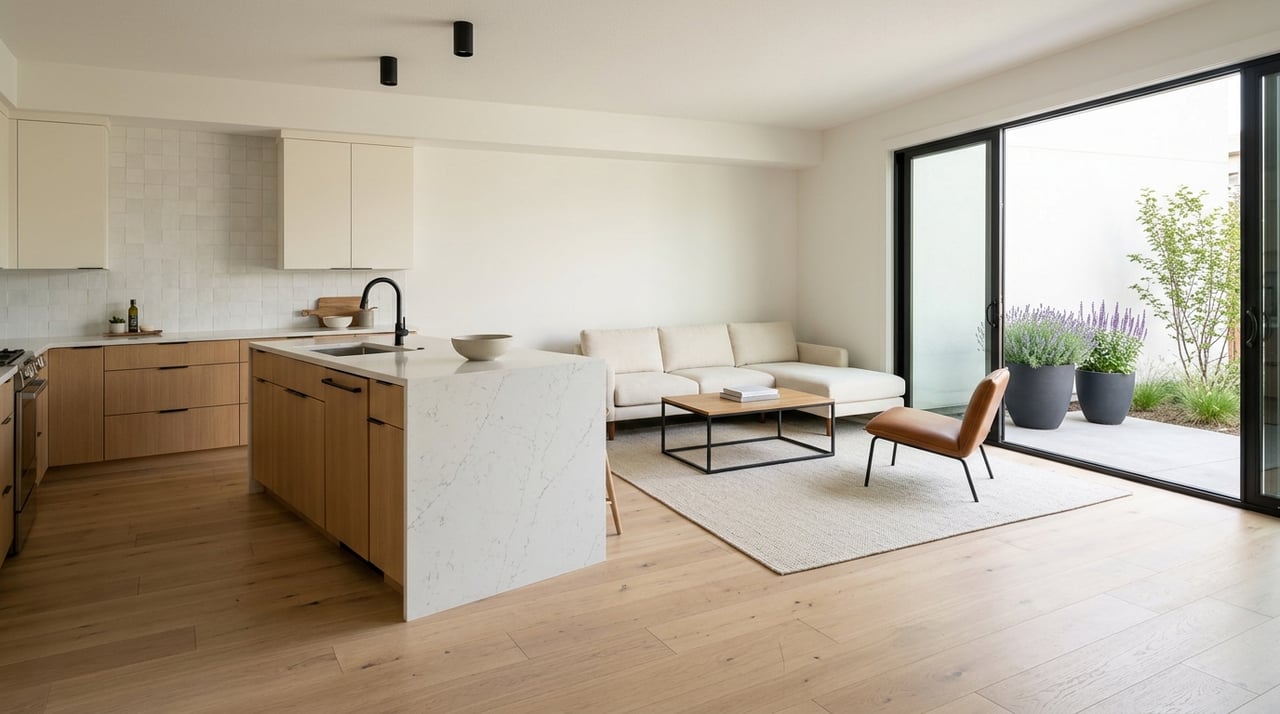
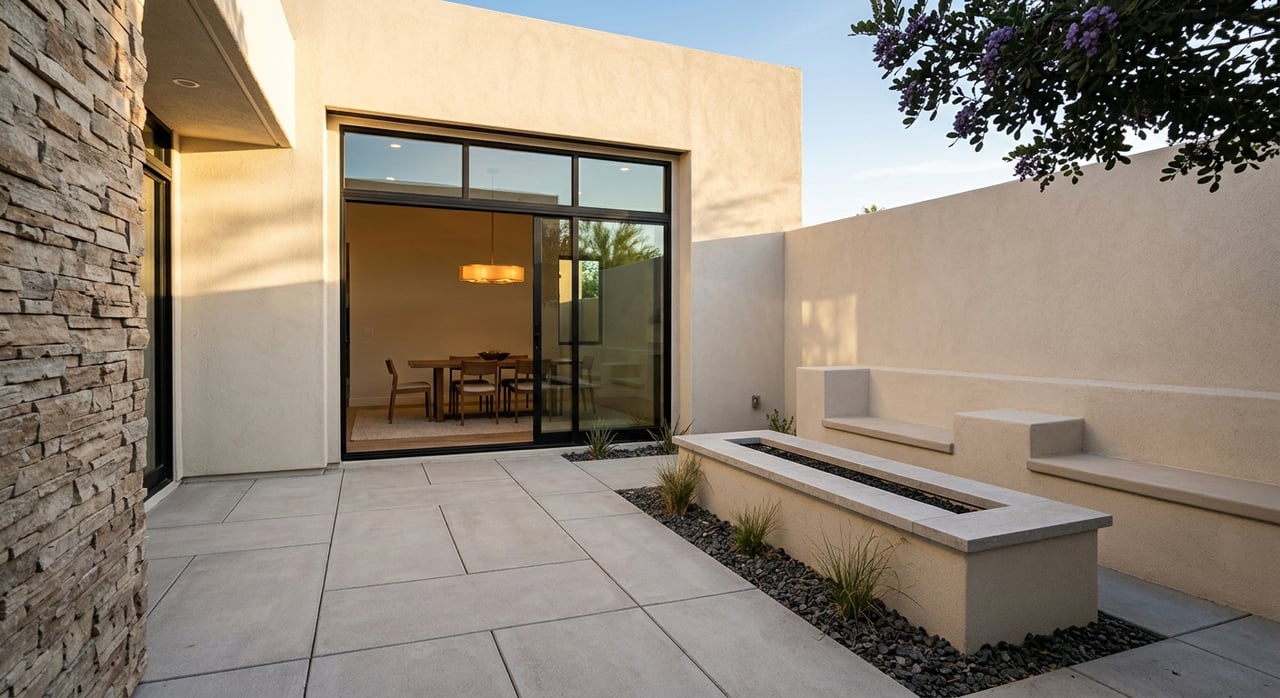
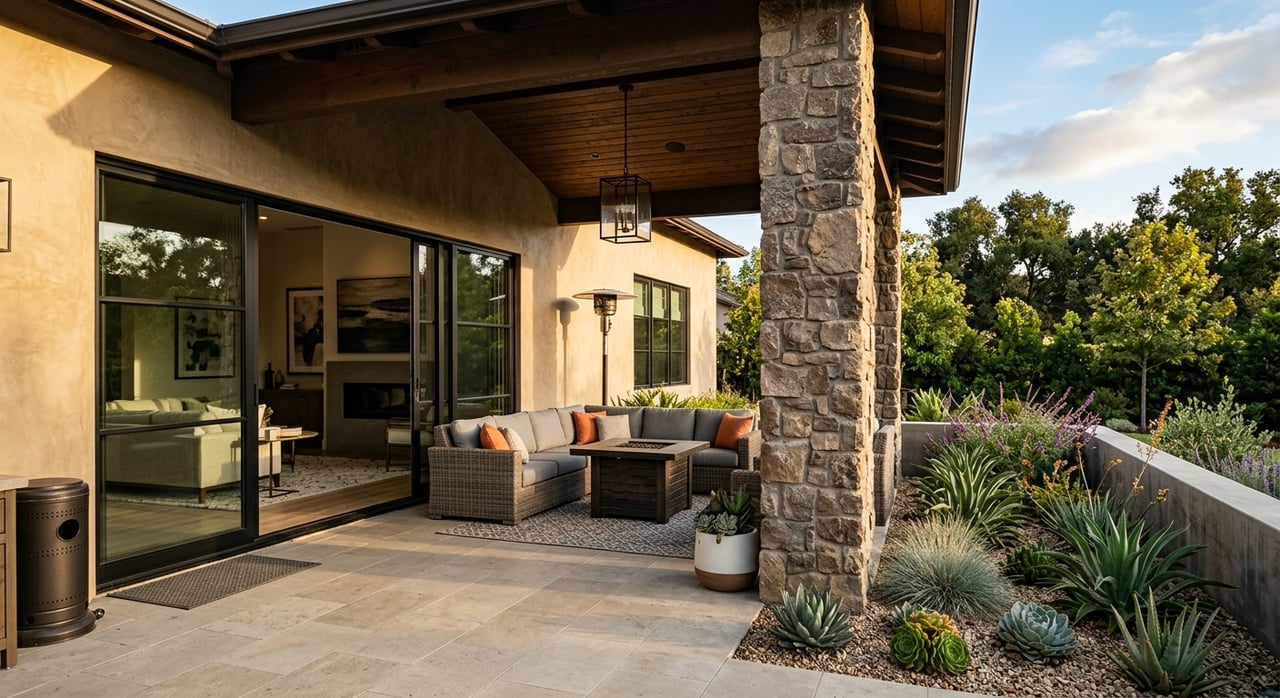
Wheat Ridge has also added a broad range of newer housing since 2010. The city lists newer detached homes, small-lot detached homes, attached single-unit homes, duplexes, and apartments in different parts of the community.
Examples include larger-lot projects like Quail Hollow and Hilltop Estates, small-lot homes at Yukon Grove, and attached-home developments such as Station 53, WestRidge Rowhomes, Hance Ranch, and Ridge at Ward Station. In areas such as Clear Creek Crossing, Wadsworth, and near the Wheat Ridge Ward station, newer housing tends to be part of planned redevelopment or infill.
Some of these newer projects draw from local design cues rather than copying older homes exactly. Clear Creek Crossing, for example, calls for modern interpretations of ranch and agrarian references, which helps newer development connect to Wheat Ridge’s broader identity.
How lot size changes the feel
Lot size is a major part of the Wheat Ridge experience. Some parts of the city offer larger lots and a more yard-oriented feel, while others are more compact and designed for lower maintenance.
If you want more outdoor space, newer larger-lot pockets such as Quail Hollow and Hilltop Estates may stand out, along with some lower-density areas on the west side. If you prefer a simpler footprint, small-lot projects and attached-home communities may be a better fit.
Because Wheat Ridge is largely built out, many new housing opportunities come through infill and redevelopment instead of large new subdivisions. That means lot sizes, setbacks, and streetscapes can change quickly from one pocket to the next.
Trees and streets shape daily life
A big part of Wheat Ridge’s character comes from what surrounds the homes, not just the homes themselves. The city identifies as Tree City USA and places clear importance on street trees, mature canopy growth, and landscaping that supports pedestrian comfort and visual character.
That shows up in the day-to-day feel of many neighborhoods. Mature trees, planted frontages, and established yards can make streets feel shaded, calmer, and more defined.
Street layout matters too. Older grid streets often feel more connected and traditional, while curving suburban streets can feel quieter and more tucked away.
What gives Wheat Ridge its neighborhood feel
Resident feedback helps paint the picture. In the city’s 2023 resident survey, 79% rated their neighborhood as a good place to live, 89% said they were likely to recommend Wheat Ridge, and 87% said they were likely to remain for the next five years.
Residents also pointed to location, neighborhood, and a small-town feel as positives. The survey found that 60% rated the sense of community positively, which supports the idea that Wheat Ridge feels established and locally oriented rather than anonymous or one-note.
For many buyers, that translates into a city that feels familiar and flexible at the same time. You can find quieter residential pockets, more connected corridor locations, and areas shaped by trails, redevelopment, or larger yards, all within the same city.
Trails, transit, and connection points
Open space is another important part of the neighborhood experience. Clear Creek Trail runs about 7 miles through 300 acres of the Wheat Ridge Greenbelt, with trailheads at Prospect Park, Anderson Park, Johnson Park, and Creekside Park.
That trail network adds a strong recreational and visual element to daily life. In some parts of the city, access to trails and green space plays a big role in how connected and active the area feels.
West 44th Avenue also serves as a key east-west connection. City planning materials identify it as an important link between the east and west sides of Wheat Ridge, the Wheat Ridge Ward commuter rail station, Clear Creek Trail, Clear Creek Crossing, and nearby neighborhoods.
As a result, some areas feel more transit- and trail-connected, while others feel more purely residential. Neither is better across the board. It simply depends on the kind of setting that fits your lifestyle and priorities.
What buyers should watch for
If you are comparing areas in Wheat Ridge, it helps to focus on a few practical questions:
- Do you prefer an older grid layout or curving suburban streets?
- Are you looking for a larger yard, a smaller lot, or attached living?
- Do you want an established street with mature trees, or a newer development with more recent construction?
- Would you like to be closer to trails, redevelopment areas, or the Ward station?
Those questions can help you look beyond price alone. In Wheat Ridge, the street pattern, lot size, and surrounding development often shape your day-to-day experience just as much as the home itself.
What sellers should understand
If you are selling in Wheat Ridge, your home’s value story is often tied to its specific pocket of the city. Buyers may respond differently to an older east-side location, a larger-lot west-side setting, or a newer infill area near trails, 44th Avenue, or the Ward station.
That is why neighborhood positioning matters. A smart pricing and marketing strategy should reflect the home’s setting, street feel, lot pattern, and how it fits into the broader Wheat Ridge housing mix.
Wheat Ridge is not a one-size-fits-all market. The homes that stand out most clearly are usually the ones presented in a way that matches what buyers are actually looking for in that part of the city.
If you want help understanding how a specific Wheat Ridge neighborhood fits your goals, Greg Drake can help you evaluate the tradeoffs, price points, and character of each area with a practical, local perspective.
FAQs
What part of Wheat Ridge feels most established?
- The older, denser neighborhoods east of Wadsworth generally feel the most established because of their earlier development pattern, traditional grid streets, and mature landscaping.
Where are newer homes most common in Wheat Ridge?
- Newer homes are most likely to appear in planned developments, near the Wheat Ridge Ward station, along 44th Avenue, and in redevelopment areas such as Clear Creek Crossing.
Where can you find larger lots in Wheat Ridge?
- Larger lots tend to show up in pockets such as Quail Hollow and Hilltop Estates, as well as in some lower-density west-side areas.
What gives Wheat Ridge its neighborhood character?
- Wheat Ridge gets much of its character from older grid streets, mature trees, corridor-based development, varied lot sizes, and its trail and open-space network.
Is Wheat Ridge mostly older housing or newer construction?
- Wheat Ridge is mostly older housing, with nearly 80% of single-family homes built between 1940 and 1979, though newer infill and redevelopment projects have added more housing types since 2010.