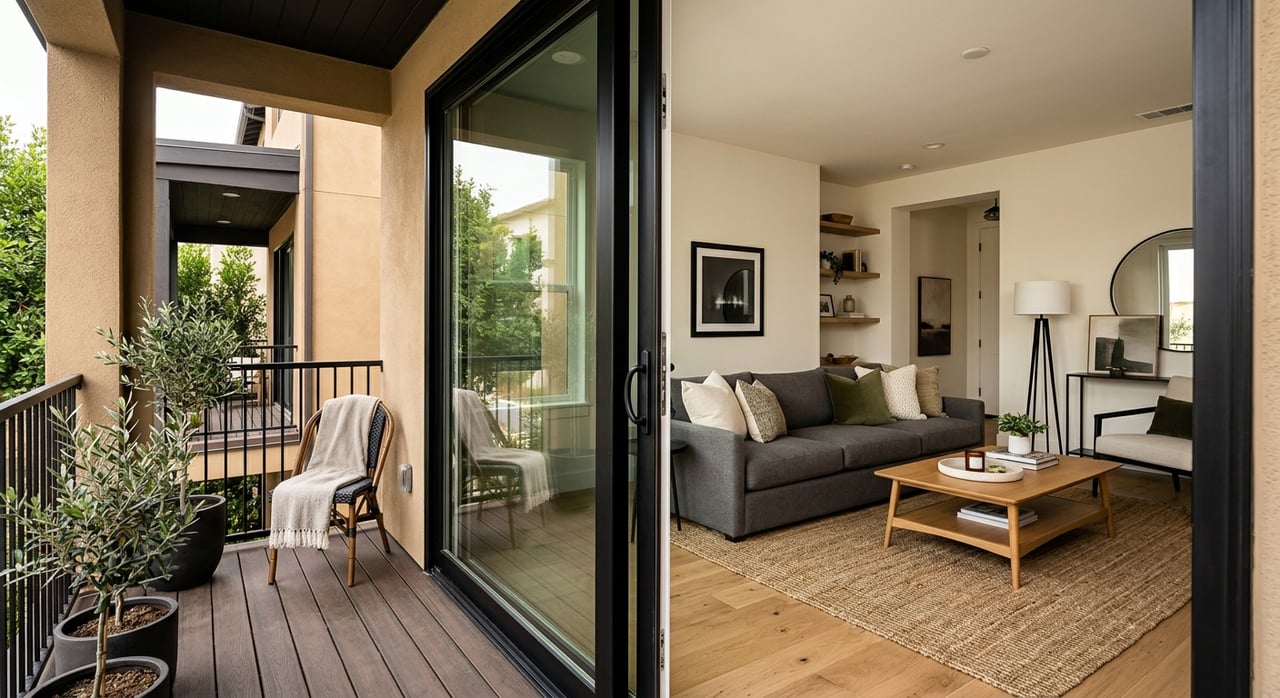
Wondering if a condo or townhome is the smartest way to buy your first home in Lakewood? For many buyers, it is. If single-family prices feel out of reach, attached homes can offer a more realistic starting point, but you also need to understand HOA costs, rules, and financing before you commit. Let’s dive in.
Why Lakewood condos and townhomes matter
In Lakewood, condos and townhomes continue to be a meaningful first step into homeownership. According to the Colorado Association of REALTORS and South Metro Denver’s March 2026 Lakewood market update, the year-to-date median sales price for the townhouse and condo segment was about $405,000, compared with about $699,900 for single-family homes.
That gap matters if you are trying to balance monthly payments, savings goals, and long-term plans. It can mean the difference between continuing to rent and actually buying a home that helps you build equity.
Lakewood’s housing plan also shows that attached housing has been a major part of the local for-sale market for years, averaging about 1,100 townhouse and condo sales per year since 2015. The city notes that older attached units are often the most affordable source of for-sale housing in Lakewood.
What first-time buyers get with attached homes
Buying a condo or townhome usually means you are trading some independence for a lower entry price and shared upkeep. That can be a very practical move, especially if you want ownership without taking on every exterior repair yourself.
Lakewood’s housing plan found that townhome and condominium resale prices more than doubled from about $193,000 in 2015 to $402,000 in 2022. The same report says these homes generally sell for less per square foot than detached homes, which helps explain why they remain a lower-cost entry point.
There is also a pace advantage for some buyers. The March 2026 market update showed townhouse and condo properties in Lakewood at 51 days on market year-to-date, compared with 41 days for single-family homes. That does not guarantee an easier negotiation, but it can mean a little more time to evaluate options and make a thoughtful decision.
Understand the HOA before you buy
The biggest difference between buying a detached home and buying a condo or townhome is usually the homeowners association. Your monthly housing cost is not just principal and interest. In many communities, it also includes HOA dues.
The Colorado Division of Real Estate says regular HOA dues often cover operating costs such as maintenance, landscaping, legal fees, registration fees, insurance, and other common expenses. The same guidance explains that reserve funds are set aside for deferred or unexpected major expenses.
That structure can be helpful because it spreads certain costs across the community. But it also means your dues can rise over time unless the governing documents limit increases, and you could face a special assessment if the association needs extra funds for a repair, replacement, or project.
What HOA dues may cover
Depending on the community, HOA dues may support:
- Common-area maintenance
- Landscaping
- Certain insurance costs
- General operating expenses
- Reserve funding for future repairs
In many condo and townhome communities, the association also handles common-area maintenance and often unit exteriors. Colorado DRE guidance notes that owners still need their own insurance for personal property and any part of the unit not covered by the HOA policy.
What HOA rules can affect
An HOA does more than collect dues. It also enforces covenants, conditions, and rules that may affect how you use the property.
Colorado’s HOA guidance notes that common-interest communities are designed to maintain shared spaces and provide shared amenities, but owners agree to rules as part of that arrangement. Those rules can include leasing restrictions, rental limits, or minimum lease terms when allowed by the governing documents.
If you think you may want to rent the home later, this point is especially important. Future flexibility depends on the specific HOA documents, not just on whether the property is called a condo or a townhome.
Review these documents before making an offer
If you are buying your first home, the HOA document package can feel intimidating. It is still one of the most important parts of your due diligence.
Colorado DRE says that buyers under contract are entitled to the association’s governing and financial documents. Sellers are expected to disclose the HOA status, governing documents, recent meeting minutes, financial statements if available, and any approved special assessments or assessment increases.
A careful review can help you spot budget pressure, maintenance issues, or rule changes before they become your problem. It can also help you understand whether the community fits your lifestyle and long-term goals.
HOA due diligence checklist
Before you move forward, review:
- The declaration, bylaws, and rules or CCRs
- The current budget and reserve information
- Recent meeting minutes
- Any notice of special assessments
- Whether the association is professionally managed or self-managed
- Whether the rules allow leasing later
- Whether short-term rentals are restricted
Recent meeting minutes are especially useful. Colorado DRE notes that looking at the last year of minutes may help you see whether a large project or assessment is being discussed, even if it has not happened yet.
Financing can depend on the project
With condos in particular, financing is not always just about you as the buyer. Sometimes the project itself affects what loan options are available.
HUD says FHA condo project approval depends on factors such as insurance coverage, the project’s financial condition, title, pending legal action, and physical condition. In plain terms, a condo unit might look like a fit for your budget, but your financing options can narrow if the community does not meet lender requirements.
That is why it helps to check financing compatibility early in your search. If you are comparing several Lakewood condo communities, this step can save time and reduce surprises when you are ready to write an offer.
Think about future resale and rental plans
Your first home may not be your forever home. That makes resale potential and future rental flexibility worth thinking about now, even if those plans feel far away.
Lakewood’s long-term numbers show strong appreciation in attached housing. The city’s housing plan reports that median townhome and condo prices rose 113 percent from 2015 to 2022. While past performance never guarantees future results, those figures show that attached homes have played an important role in wealth-building for many local owners.
If you are considering renting the home later, the broader market backdrop in Lakewood has shown continued renter demand. The city reported rent growth from 2017 to 2022 in the low-30 percent range in north Lakewood and the high-20 percent range in south Lakewood, with vacancy rates in the low single digits in those areas and 3.7 percent countywide in 2022.
Still, renter demand alone does not make every condo rentable. The actual answer depends on the HOA’s leasing rules and, in some cases, whether the project meets lender requirements that affect future buyers.
How to decide if it is right for you
A Lakewood condo or townhome can be a smart first home if your top priorities are affordability, lower exterior maintenance, and a practical way to start building equity. It may be a strong fit if you are comfortable with a community-governed ownership structure and you understand the full monthly cost.
It may be less appealing if you want total control over the property, expect to rent it out freely later, or do not want the risk of changing HOA dues and special assessments. The goal is not to avoid attached housing. The goal is to choose the right community with clear eyes.
Questions to ask yourself
Before you buy, ask:
- Can I comfortably afford the mortgage payment and HOA dues together?
- Do I understand what the HOA covers and what I still pay for?
- Have I reviewed the reserve funding and any signs of future assessments?
- Do the community rules fit how I want to live?
- If I may move later, do the leasing rules support that plan?
- Have I checked whether the community works with my financing options?
When you answer those questions early, you put yourself in a much stronger position to buy with confidence.
Buying your first home in Lakewood is a big step, and the right condo or townhome can be a smart way to get there. If you want practical guidance on pricing, HOA review, and choosing the right fit for your goals, schedule a consultation with Greg Drake.
FAQs
What makes a Lakewood condo or townhome a good first home?
- A condo or townhome can offer a lower entry price than a single-family home in Lakewood, which may help you buy sooner and start building equity.
What should first-time buyers in Lakewood know about HOA dues?
- HOA dues usually cover shared operating costs like maintenance, landscaping, insurance for common elements, and reserve funding, but dues can increase and special assessments can happen.
What HOA documents should Lakewood condo buyers review?
- You should review the declaration, bylaws, rules or CCRs, budget, reserve information, recent meeting minutes, and any notices about assessment increases or special assessments.
Can you rent out a Lakewood condo or townhome later?
- Sometimes, but it depends on the HOA’s governing documents because leasing restrictions, minimum lease terms, or short-term rental limits may apply.
Does financing work differently for a Lakewood condo purchase?
- Yes. Condo financing can depend on the project as well as the unit, so it is wise to check lender and project compatibility early in your search.
Are Lakewood condos and townhomes more affordable than single-family homes?
- Based on the March 2026 local market update, the townhouse and condo median price in Lakewood was about $405,000 year-to-date, compared with about $699,900 for single-family homes.