If you want to keep more money from your Wheat Ridge home sale, the biggest wins usually do not come from guessing high and hoping for the best. In today’s market, buyers are active, but they are also selective, which means small decisions about pricing, prep, and timing can have a real impact on your bottom line. The good news is that you can improve your sale proceeds with a smart, local strategy. Let’s dive in.
Understand the Wheat Ridge market
Wheat Ridge remains active, but it is also price-sensitive. Recent housing data shows home values and sale prices in the low-to-mid $600,000s, with many homes going pending quickly, often in about 10 to 11 days depending on the source and time frame.
At the same time, not every listing is flying off the market at a premium. Some reports show homes selling right around list price, while a meaningful share still closes below list. That tells you something important: buyers are engaged, but they are choosing carefully.
In the broader Denver metro, the market has also been relatively stable, with new listings continuing to give buyers options. For you as a seller, that means your home needs to stand out for the right reasons. Strong presentation and disciplined pricing matter more than simply aiming high.
Price for your micro-market
Use neighborhood comps
One of the most strategic ways to protect your proceeds is to price your home based on the right neighborhood data, not just a citywide average. Wheat Ridge can vary meaningfully by area, with examples of neighborhood-level median prices ranging from about $530,000 to nearly $680,000, along with different average days on market.
That spread matters because buyers compare your home to nearby alternatives, not to the whole city. If your home is priced against the wrong segment of Wheat Ridge, you may lose early momentum and end up chasing the market with price reductions.
Avoid the “test the market” trap
It is tempting to start high and see what happens. In a selective market, that approach can backfire.
When a home launches above what buyers see as reasonable, it often sits longer and invites tougher negotiations later. A home that starts with strong interest is more likely to preserve leverage than one that needs repeated adjustments.
Think net, not just list price
The goal is not simply to post the highest number. The goal is to maximize what you actually take home.
A slightly lower but well-supported list price can sometimes generate stronger interest, better terms, and fewer reductions. In many cases, that path leaves you with a better net result than an ambitious list price that stalls.
Focus on updates with practical payoff
Start with visible improvements
If you are preparing to sell, smaller improvements often make more sense than a large remodel. National remodeling research supports this approach, showing that buyers are less willing to overlook obvious condition issues and that some of the best cost-recovery projects are simple, visible upgrades.
Painting is one of the most commonly recommended pre-sale improvements. Fresh, neutral paint can make a home feel cleaner, brighter, and better cared for without the cost and timeline of a major renovation.
Fix what buyers notice first
Before spending on big-ticket changes, focus on the items that shape first impressions. That may include:
- scuffed or bold wall colors
- worn flooring or stained carpet
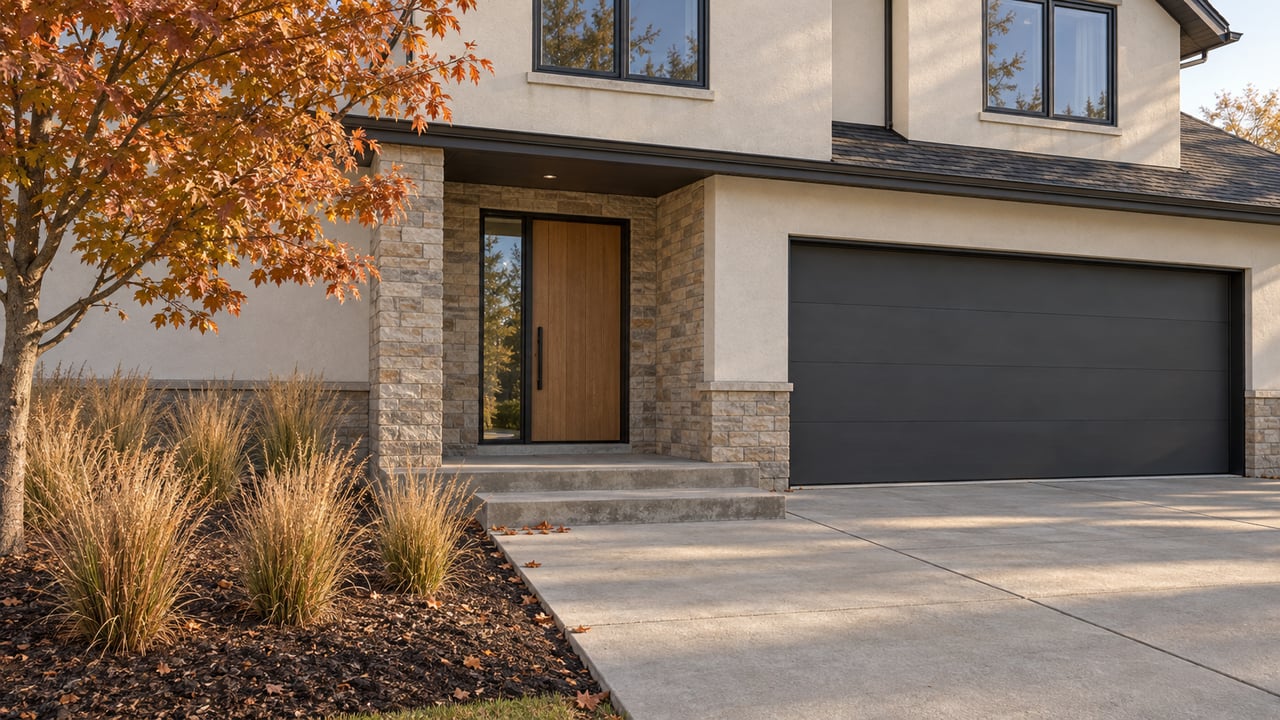
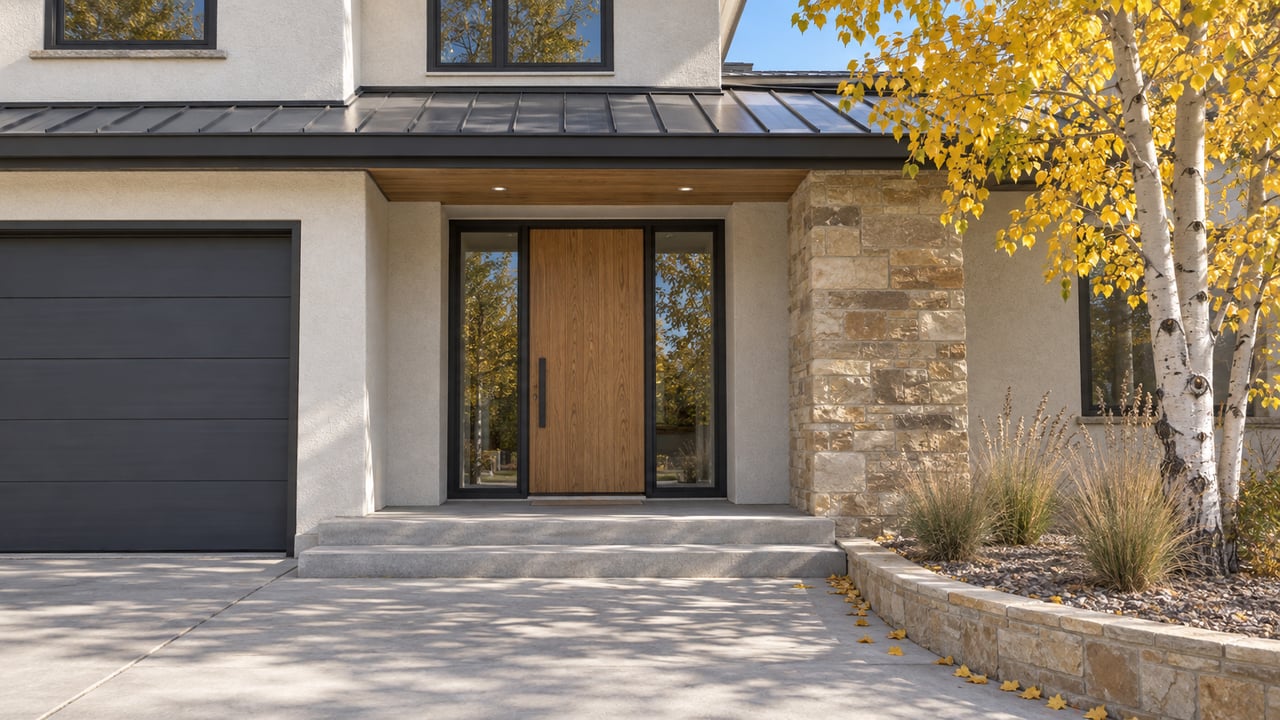
- dated or damaged front entry features
- loose hardware or minor repair issues
- cluttered storage areas
- deferred maintenance that suggests bigger problems
These issues may seem small, but buyers often use them to judge overall home condition. Correcting them can improve confidence and help support your asking price.
Be careful with major pre-listing projects
In Wheat Ridge, larger home improvement work can trigger permit requirements. The city requires permits for many projects, including roofing, decks, interior remodels, window changes, siding, and certain electrical work.
That matters because permit review can take roughly 2 to 6 weeks, and unpermitted work can create delays and added costs. If you are planning to sell soon, cosmetic work and minor repairs are usually the safer move unless major upgrades were started well in advance.
Factor in true project costs
Larger projects can cost more than expected once permit fees and local tax rules are added in. Wheat Ridge’s permit fee structure is based on project valuation, and the city also applies use tax to certain construction inputs.
That does not mean you should never improve your home before selling. It means you should look at the full cost, the timeline, and the likely return before committing to a large project.
Make staging part of your strategy
Help buyers picture the home
Staging is not just about making a home look nice. It is about helping buyers understand the space quickly and positively.
According to recent national research, many seller-side agents reported that staging increased the dollar value offered, and nearly half said it reduced time on market. Buyer agents also reported that staged homes make it easier for buyers to imagine living there.
Prioritize the key rooms
You do not always need full-home staging to see results. In many occupied homes, a lighter approach works well, especially when it focuses on the rooms buyers care about most.
The top priority rooms typically include:
- living room
- primary bedroom
- kitchen
If your budget is limited, start there. Clean lines, open surfaces, and simple furniture placement can go a long way.
Decluttering still counts
If full staging is not the plan, decluttering is still one of the smartest moves you can make. Remove extra furniture, personal items, and anything that makes rooms feel smaller or busier.
This step costs less than renovation, but it can dramatically improve how your home feels in person and in photos. That can directly support stronger buyer interest.
Invest in listing photography
Most buyers first meet your home online. That makes photography one of the highest-leverage parts of your launch.
Recent buyer research found that listing photos were the most useful online feature for a large majority of home shoppers. In practical terms, that means your home often wins or loses attention before a showing is ever scheduled.
Professional photography works best when it comes after cleaning, decluttering, and staging. Bright rooms, clear composition, and polished presentation can improve click-through interest and help buyers arrive with stronger expectations.
Launch when the home is truly ready
Spring is often strongest
Several major housing sources point to spring and late spring as the strongest general selling period. While they differ on the exact best week, they point to a similar pattern: buyer demand tends to be stronger in late April and May than in winter.
That said, the exact calendar matters less than your execution. A rushed listing in a strong week can underperform a polished listing that hits the market slightly later.
Readiness beats rushing
If your home still needs paint, repairs, decluttering, staging, or permitted work, it is often better to finish those items before listing. In a market where buyers have choices, a clean launch can protect your pricing power.
The first few days on market tend to be especially important. When your home debuts in strong condition with the right price and presentation, you are in a better position to attract serious offers early.
Compare offer terms carefully
The highest price is not always best
When offers come in, the number on page one is only part of the picture. Seller concessions, repair credits, and closing-cost assistance can reduce your net proceeds, even if the purchase price looks strong.
In some cases, a cleaner offer with fewer concessions may leave you in a better financial position. That is why it helps to compare the whole structure of the offer, not just the headline price.
Weigh credits against price cuts
Concessions can still be useful. They may help attract buyers or keep a good deal together.
The key is to compare a targeted credit against a price reduction and see which option preserves more value for you. In a selective market, thoughtful negotiation can make a meaningful difference in your final proceeds.
A smart Wheat Ridge sale plan
If you want to boost your Wheat Ridge sale proceeds, think like a strategist, not just a seller. The strongest results usually come from pricing to the right micro-market, making visible improvements, presenting the home well, and launching only when everything is ready.
That approach fits the current Wheat Ridge market, where buyers are active but careful. With local data, disciplined prep, and a clear eye on net proceeds, you can put yourself in a stronger position from day one.
When you are ready to build a pricing and prep plan for your home, Greg Drake can help you evaluate the numbers, weigh your options, and move forward with confidence.
FAQs
What pricing strategy helps maximize sale proceeds in Wheat Ridge?
- The most effective pricing strategy is usually to use recent neighborhood comparables and current buyer demand rather than relying on citywide averages or starting with an aggressive premium.
What home improvements are most practical before listing in Wheat Ridge?
- Cosmetic updates like paint, decluttering, minor repairs, and correcting visible flaws are often the most practical pre-listing improvements, especially when you are working on a shorter timeline.
What projects may require permits before selling a Wheat Ridge home?
- In Wheat Ridge, permits may be required for projects such as roofing, decks, interior remodels, window changes, siding, and certain electrical service changes, so larger work should be planned carefully.
Why does staging matter when selling a Wheat Ridge home?
- Staging can help buyers picture the home more easily, may reduce time on market, and can improve perceived value, especially in important spaces like the living room, primary bedroom, and kitchen.
When is the best time to list a home in Wheat Ridge?
- Spring and late spring are often strong selling periods, but the best listing time is usually when your home is fully prepared and ready to make a strong first impression.
How do seller concessions affect Wheat Ridge sale proceeds?
- Seller concessions can help attract buyers or support a deal, but they reduce your net proceeds, so they should be weighed carefully against price reductions and other offer terms.